
Patient's Query
Hello doctor,
A friend of mine, who is just 28 years old, was recently diagnosed with Hodgkin lymphoma after experiencing a few months of unexplained fevers, night sweats, and swollen glands in his neck. He has started chemotherapy and is staying strong, but the entire process has been frightening for all of us.
We have read that Hodgkin lymphoma is highly treatable, especially in younger people, but even so, the side effects of chemotherapy have already been tough. He has lost his appetite and energy, and he is also concerned about his fertility. Could you explain what the long-term outlook typically looks like and what supportive care options are available to help him during treatment?
Kindly help.
Hello,
Welcome to icliniq.com.
I understand your concern.
Thank you for reaching out. First, I want to acknowledge the strength your friend is showing during such a difficult time. Receiving a diagnosis of Hodgkin’s lymphoma at a young age can be frightening, but the encouraging news is that this type of cancer is one of the most treatable and curable, especially in younger individuals.
Hodgkin’s lymphoma has an excellent prognosis, with current treatment protocols, over 85 to 90 percent of young patients achieve long-term remission or even cure, particularly when the disease is diagnosed early and treated appropriately. The long-term outcome depends on several factors, such as the stage of the disease, the patient’s overall health, and how the body responds to therapy, but even advanced stages can often be treated successfully.
Treatment typically involves chemotherapy, such as the ABVD regimen (Adriamycin, Bleomycin, Vinblastine, and Dacarbazine), with or without radiation therapy, and the response is monitored through regular imaging, like positron emission tomography (PET) scans and laboratory tests.
It is completely normal for your friend to feel physically and emotionally exhausted during this time. Side effects such as fatigue, nausea, loss of appetite, and low energy are common during chemotherapy, but many of these can be managed with supportive care.
Nutrition support from a registered dietitian can help maintain energy through small, frequent meals or nutrient-dense shakes; medications can be adjusted to better control nausea; light activity, good hydration, rest, and sleep hygiene can all support energy levels; and psychological support, whether through a therapist or a cancer support group, can make a big difference in coping emotionally.
Fertility is also a valid concern; some chemotherapy drugs can affect fertility, so if your friend has not already done sperm banking, he must speak with his oncologist about fertility preservation options and long-term planning as soon as possible. Although your friend’s situation is serious, there is real hope.
With comprehensive medical treatment and emotional support, many young people go on to live long, healthy lives after Hodgkin lymphoma. It is essential to care for the whole person, not just the disease, by addressing nutrition, mental well-being, rest, and the natural fear that comes with a cancer diagnosis.
Please feel free to reach out again anytime. I would be happy to offer more guidance or help your friend navigate any part of this journey. He does not have to face this alone. Wishing him strength, healing, and a full recovery ahead.
I hope this helps.
Take care.
Regards.
Was this conversation helpful?
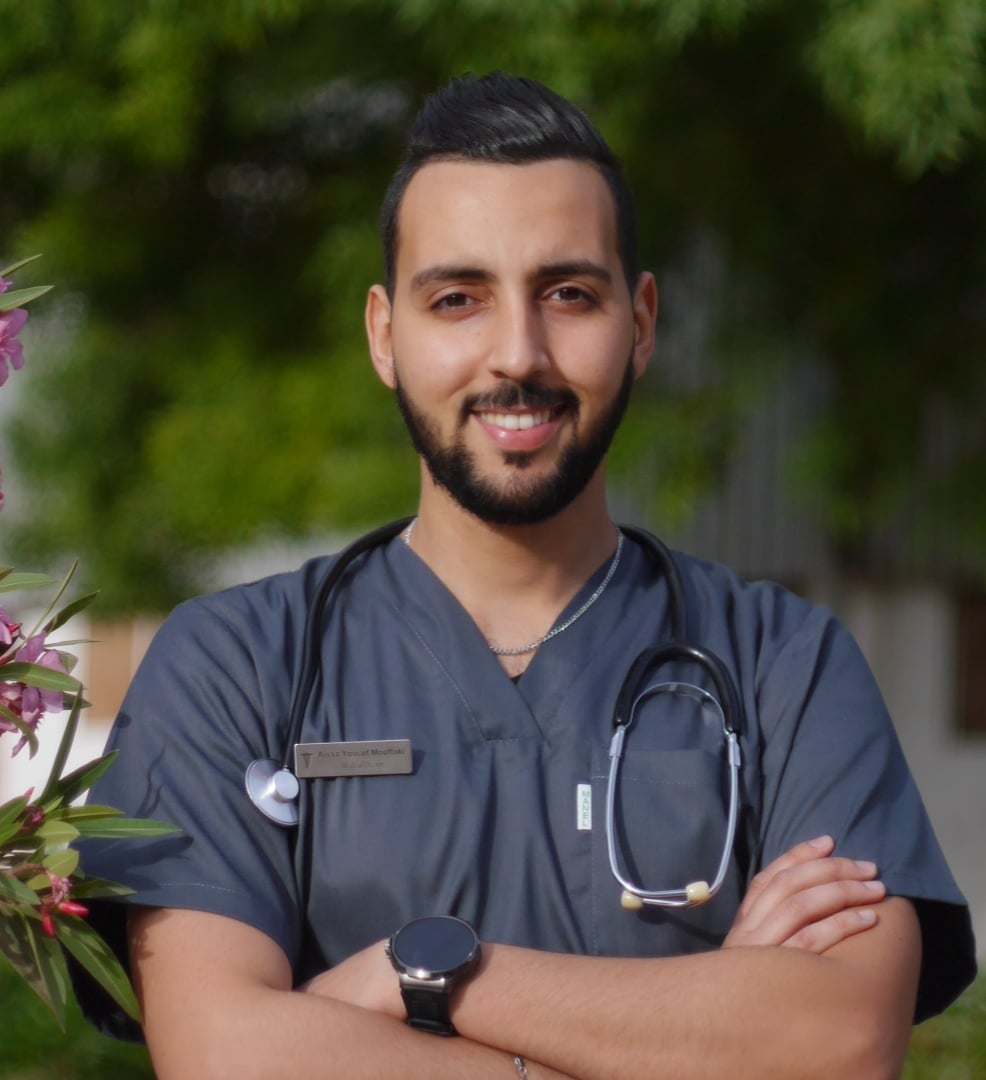
Answered byDr. Aissa Youcef Mouffoki
Medically reviewed byiCliniq medical review team
Same symptoms don't mean you have the same problem. Consult a doctor now!
Related Questions
Hodgkin’s Disease (Hodgkin’s Lymphoma) - Types, Symptoms, Causes, Stages, and Treatment
Chemotherapy and Blood Cancer
Lymphoma - Types, Symptoms, Causes, Stages, Diagnosis, and Treatment
Lymphoma of the Small Intestine - Causes, Symptoms, and Management
Chemotherapy for Testicular Cancer - An Overview
Use of Statins in Non-Hodgkin's Lymphoma
Disclaimer: No content published on this website is intended to be a substitute for professional medical diagnosis, advice or treatment by a trained physician. Seek advice from your physician or other qualified healthcare providers with questions you may have regarding your symptoms and medical condition for a complete medical diagnosis. Do not delay or disregard seeking professional medical advice because of something you have read on this website. Read our Editorial Process to know how we create content for health articles and queries.