
Patient's Query
Hello doctor,
My father is 67 and had his entire right lung removed three weeks ago for stage 3A non-small cell lung cancer. The doctors said the surgery went well, but since he came home, he has been having a really hard time. He cannot sleep lying flat, gets out of breath just from talking, and his oxygen levels drop to 88 or 89 percent when he tries to walk even a few steps. The surgeon told us this is expected, but it still doesn’t feel normal to us.
He also has sharp pain on the side where they operated, and he is taking Tramadol, but it does not help much. The oncologist wants to start chemotherapy with Cisplatin and Vinorelbine in two weeks, but we’re worried he is too weak to handle it. His albumin level is 2.8 g/dL, and the nutritionist said that’s very low.
Is it really possible for someone who just had a whole lung removed for stage 3A non-small cell lung cancer to handle full-dose chemotherapy so soon?
Should we get a second opinion before moving forward?
Please help.
Thank you.
Hello,
Welcome to icliniq.com.
I understand your concern.
Recovery from a pneumonectomy can be challenging, particularly for older adults. About three weeks after surgery, you may experience shortness of breath with activity, difficulty lying flat, and brief drops in oxygen levels during exertion. These symptoms reflect your remaining lung adapting. However, oxygen levels falling to 88 to 89 percent with minimal activity should be monitored closely and discussed with the treating surgeon or pulmonologist to exclude possible complications such as infection, pleural fluid accumulation, pulmonary embolism, or inadequate lung expansion.
Do not fear unnecessarily; pain on the surgical side is also common following thoracic surgery due to tissue healing and nerve irritation. If Tramadol is not providing sufficient relief, the treating physician may need to reassess the pain management plan or evaluate for postoperative neuropathic pain.
For stage 3A non-small cell lung cancer, doctors often suggest chemotherapy with Cisplatin-based drugs to help lower the chance of the cancer coming back. This treatment usually starts four to six weeks after surgery, once the patient has healed. Before beginning chemotherapy, doctors check the patient’s overall health, breathing, and nutrition. An albumin level of 2.8 g/dL suggests poor nutritional status, which may influence tolerance to chemotherapy. Nutritional optimization and supportive care are often recommended before starting treatment, and chemotherapy doses may sometimes be modified depending on the patient’s condition.
Given his symptoms and low albumin level, a second opinion from a thoracic oncologist or pulmonologist is recommended. This will help ensure his recovery, respiratory function, and nutritional status are thoroughly assessed before starting chemotherapy. If breathlessness worsens, oxygen saturation continues to drop significantly, or new symptoms such as fever or chest swelling occur, prompt medical evaluation is advised.
Wishing him a safe and steady recovery.
Best wishes.
Regards.
Was this conversation helpful?
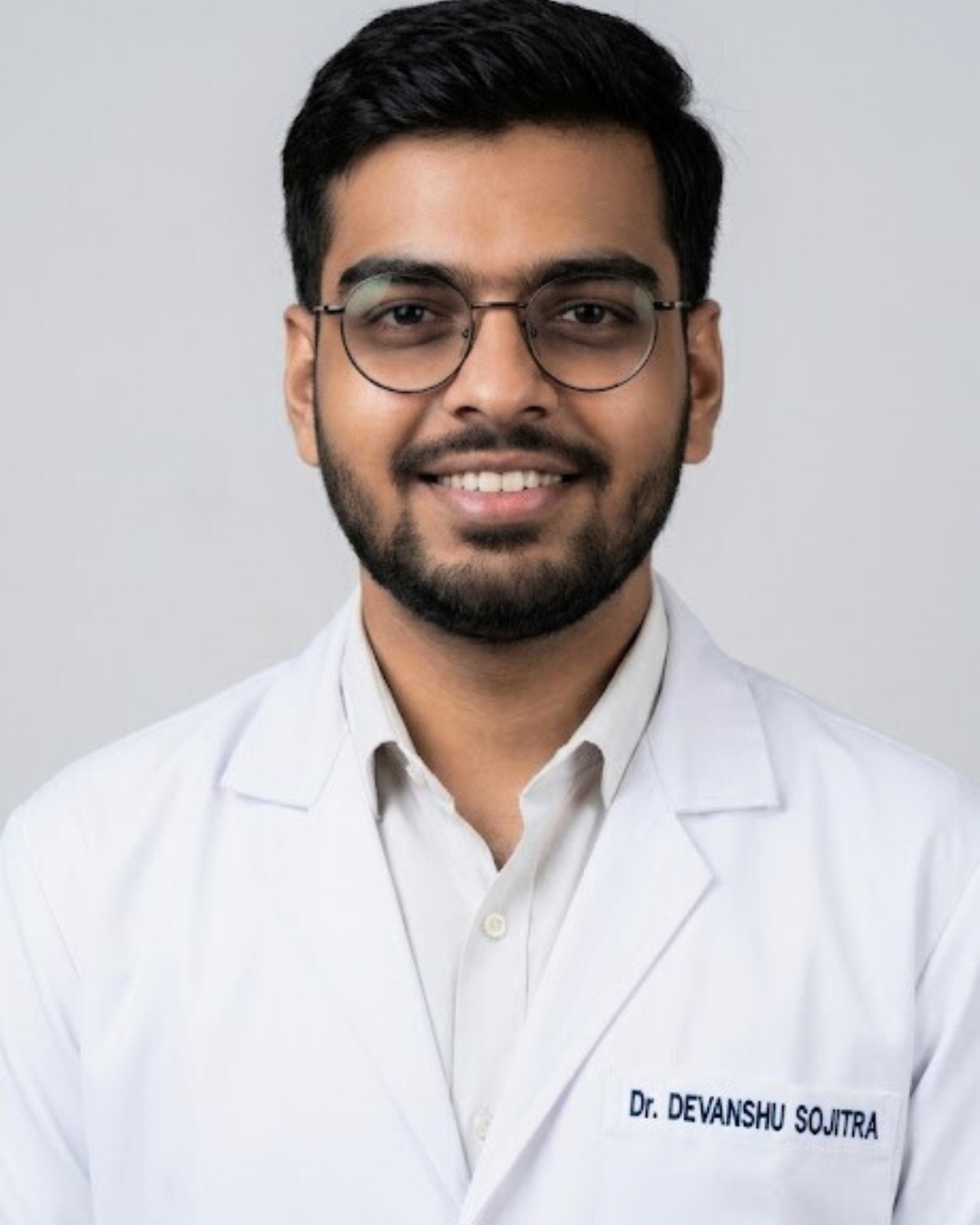
Answered byDr. Sojitra Devanshu Bharatbhai
Medically reviewed byiCliniq medical review team
Same symptoms don't mean you have the same problem. Consult a doctor now!
Related Questions
Chemotherapy and Blood Cancer
Management of Small Cell vs. Non-small Cell Lung Cancers
Carinal Resection and Sleeve Pneumonectomy - Indications, Procedure, and Complications
Rehabilitation of Non-small Cell Lung Cancer
Postpneumonectomy Syndrome - Causes, Clinical Features, Diagnosis, and Treatment
Chemotherapy for Testicular Cancer - An Overview
Disclaimer: No content published on this website is intended to be a substitute for professional medical diagnosis, advice or treatment by a trained physician. Seek advice from your physician or other qualified healthcare providers with questions you may have regarding your symptoms and medical condition for a complete medical diagnosis. Do not delay or disregard seeking professional medical advice because of something you have read on this website. Read our Editorial Process to know how we create content for health articles and queries.