-
Key Takeaway:
-
Cold feet are very common and usually nothing to worry about; they often happen from being cold, stressed, or sitting too long.
-
If your feet stay cold all the time, go numb, or change color, it’s a good idea to get them checked.
-
Doing little things like moving around, wearing warm socks, and keeping your home cozy can make a big difference.
What Does Cold Feet Mean?
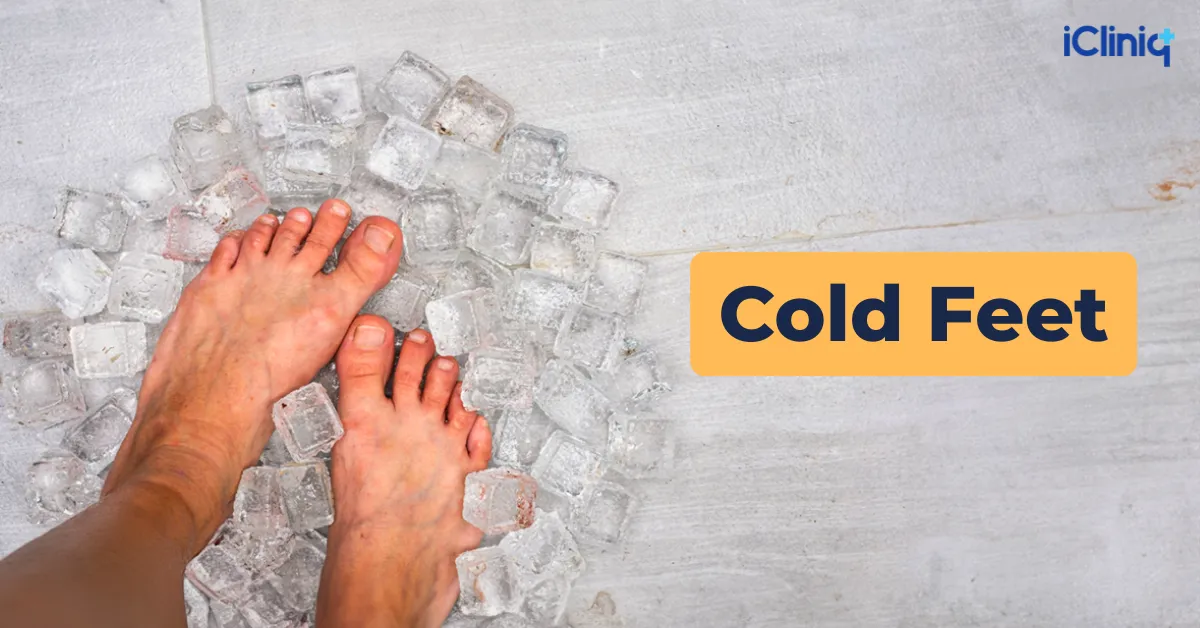
The meaning of "cold feet" may seem simple, but it can be confusing. Sometimes your feet feel cold even when the rest of your body feels normal. This can happen to anyone. Cold feet happen when the temperature of your feet becomes lower than the usual body temperature. Your body works hard to keep your vital organs warm, like your heart and lungs, and sometimes that leaves your feet colder than other parts.
Most people think “cold feet” just means getting nervous before something big, like a wedding or a job interview, but it literally means your feet feel freezing even when the rest of you is fine. It is super common. Your body always tries to keep your heart, lungs, and brain nice and warm first, so when it has to make choices, your feet and hands get the short end of the stick and end up colder than everything else.
Usually, it is no big deal. Tons of us get icy feet in winter or after sitting on the couch binge-watching shows for hours. But if you're having cold feet at night every day or it is happening a lot, it is worth figuring out why. Sometimes it is just the weather; sometimes your body is trying to wave a little red flag.
What Are the Causes for Cold Feet?
There are many cold feet, some totally harmless, some a bit more serious.
-
Poor circulation: This is the number one culprit. Your blood is what carries heat around your body. If it is moving slowly (or getting blocked), your toes are the first to feel it. Crossing your legs for ages, tight shoes, or just sitting still too long can do it. Ever had that numb, tingly feeling after you have been in the same position forever? That is your circulation saying “hello.”
-
Nerve issues: Sometimes the problem is not temperature at all; it is the wiring. Damaged nerves (from diabetes, old injuries, or other conditions) can trick your brain into thinking your feet are cold when they are actually at a normal temperature.
-
Cold weather: Walking barefoot on a cold kitchen floor or hanging out in a freezing room will do the trick every time. Totally normal; it goes away fast once you warm up.
-
Stress and anxiety: Ever notice your hands or feet turn into ice cubes right before a presentation or an awkward conversation? When you are stressed, your body goes into fight-or-flight mode and sends blood to the big, important organs (heart, lungs, and brain) and basically forgets about your extremities.
-
Hormone issues: An underactive thyroid (hypothyroidism) is a sneaky one. If that little gland in your neck is not making enough hormone, your whole body temperature regulation can get thrown off, and your feet suffer.
-
Smoking: Cigarettes shrink your blood vessels and wreck circulation over time. Smokers often complain about cold hands and feet; it is not a coincidence.
-
Medical issues: Conditions like anemia (low iron or red blood cells), Raynaud’s (where your toes and fingers overreact to cold or stress and basically shut down blood flow), peripheral artery disease, or even a B12 deficiency can all make your feet chronically cold.
Symptoms and Signs of Cold Feet
It is not always just the temperature. You might also notice the cold feet symptoms mentioned below:
-
Numbness or pins-and-needles.
-
Your feet look pale or even bluish.
-
They stay cold no matter how many blankets you pile on.
-
A weird burning feeling.
-
Weak pulse in your ankles or feet.
If your toes go white or blue pretty regularly, that is usually a sign that blood is not getting through properly.
Cold Feet Diagnosis
Your doctor will ask you these questions to first understand the reason for cold feet: How long has this been going on? Only at night? After you sit for hours? Do you smoke? Super stressed lately? Then they will check your pulses, maybe do blood tests for thyroid, sugar levels, B12, iron, etc. Sometimes they will use a little Doppler gadget to listen to blood flow in your feet. Nothing scary, just ruling things out.
Cold Feet Treatment
Quick fixes that actually work:
-
Thick wool socks.
-
Slippers or those little heat packs you can stick in your shoes.
-
Wiggle your toes, walk around the house, do ankle circles, or do anything to get blood moving.
-
Foot massage or a warm (not hot) foot bath before bed.
-
Deep breathing or a quick stretch if stress is the trigger.
Long-term cold feet treatment:
-
Quit smoking (your feet will thank you within weeks).
-
Stay active; little walks every hour make a huge difference.
-
Eat a healthy diet, including iron and vitamins.
-
Treat whatever underlying issue there is (thyroid meds, diabetes control, etc.).
Cold feet prevention:
-
Warm socks the second the temperature drops.
-
Do not sit like a statue for three hours straight.
-
Keep the house at a comfy temperature.
-
Drink enough water (dehydration makes circulation worse).
-
Pick shoes or boots that actually keep the cold out.
Even tiny things, like getting up to make a cup of tea every hour, add up fast. Your feet warm up almost instantly once blood starts flowing again.

When Cold Feet Might Be a Serious Issue?
99 % of the time, cold feet are harmless. But get it checked if:
-
They are cold literally all the time with no obvious reason.
-
They turn white/blue a lot.
-
You get pain when you walk.
-
Cuts or blisters on your feet are super slow to heal.
-
You suddenly get swelling, sharp pain, or color changes.
Those can be signs of real circulation or nerve trouble that needs proper treatment.
Conclusion
Cold feet are something pretty much everyone deals with now and then. Most of the time it is just your body prioritizing heat for the important organs, or you have been sitting weird, or it is freezing outside. A pair of good socks and a bit of movement usually sort it out.
But if they are always cold, especially at night, or you are getting other weird symptoms, do not just ignore them; consult our expert doctors at icliniq.com. It can be an early heads-up about circulation, thyroid, stress levels, or something else that is easy to fix once you know what is going on.
Look after your feet, they carry you everywhere. Keep them warm, keep the blood flowing, and they will stay happy.