All Health Articles
Shortness of Breath (Dyspnea)
The medical term for shortness of breath is dyspnea. Learn about the types, causes, associated symptoms, and treatment for dyspnea.


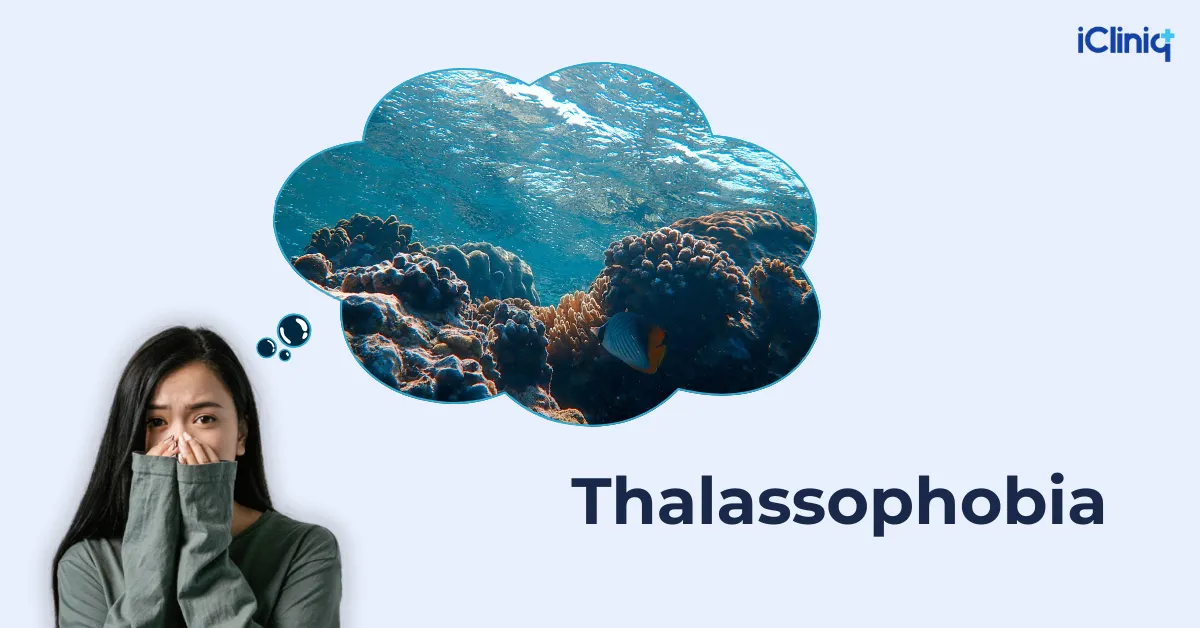
Thalassophobia - Causes, Symptoms, and Treatment
Thalassophobia is the persistent fear of oceans and water, leading to severe panic attacks. Read to know more.

Trypanophobia - Understanding the Needle Phobia
Trypanophobia is a significant fear of needles that has been recognized medically and often leads to people not getting treatment. Read to know more.

Agoraphobia - Fear of Leaving Home
Agoraphobia is mistaken by many to be a fear of open spaces, but there is more to this condition. Read the article to understand why it is so complex.


Out-turns of Untreated Panic Attacks in Children
Panic attacks in children can be distressing experiences that warrant understanding and support from caregivers and professionals alike.

Difference Between Panic Attacks and Anxiety Attacks
Though anxiety and panic attacks may sound the same, they are different conditions. Read further to know how these two conditions differ.

Panic Attack V/S Anxiety Attack: An Overview
Panic attacks" and "anxiety attacks" can involve intense feelings of fear and discomfort, but they have distinct characteristics. Read the article to know more.
Panic Disorder With Agoraphobia - An Overview
Panic disorder with agoraphobia manifests as an anxiety disorder characterized by recurring, unexpected panic attacks. Read the article to know more.
