
Patient's Query
Hello doctor,
My grandma, who is 79 years old, has recently noticed that straight lines look wavy or distorted, and her central vision is getting blurry. Her eye doctor examined her and found that she has age-related macular degeneration (AMD). He is thinking about using anti-VEGF shots as a treatment.
We would like to better understand this treatment option, including how intensive it is and how effective it may be in slowing or preventing further vision loss. Since she lives independently, maintaining her vision is especially important for her quality of life and daily activities.
Could you tell me more about how safe and useful anti-VEGF therapy is for older patients?
Is there a chance of going completely blind or having very bad vision if AMD is not treated?
Please help.
Thank you for your guidance.
Hi,
Welcome to icliniq.com
I am sorry to hear about your grandmother's vision difficulties.
The symptoms you mention, such as straight lines appearing wavy (metamorphopsia) and blurred central vision, are consistent with wet age-related macular degeneration (AMD). This form of AMD is when abnormal blood vessels grow under the retina and leak fluid or blood. This might cause a fast loss of vision if not addressed.
At this point, anti-VEGF (vascular endothelial growth factor) shots are considered the best and most common treatment for wet AMD. Drugs like Ranibizumab, Aflibercept, and Bevacizumab stop the growth of abnormal blood vessels and lower leakage. This can help maintain vision and, in some cases, even improve it.
Anti-VEGF therapy is usually thought to be safe and well tolerated by older patients, including those in their 70s, 80s, and beyond, as long as it is given and monitored by an ophthalmologist. People usually don't have to stay in the hospital for these shots; they only take a few minutes and don't hurt much.
Anti-VEGF treatment does not fix AMD, but it can slow the disease down a lot and help keep the eyes working well. With the right treatment and follow-up care, many people can keep their useful vision for years. This is especially important for people who live alone and depend on their eyesight to do daily tasks.
If you do not treat wet AMD, you can lose a lot of your central vision, which can make things like reading, recognizing people, and driving harder. But AMD mostly affects central vision; side vision is usually fine, so people don't go completely blind very often.
In your grandmother's case, getting treatment on time and keeping up with follow-up visits may be very important for her to stay independent and have a good quality of life. Making sure she has help for doctor visits and ongoing care can also be helpful.
I hope this addresses your concerns.
Please feel free to follow up if you need any additional clarification.
Thank you.
Was this conversation helpful?
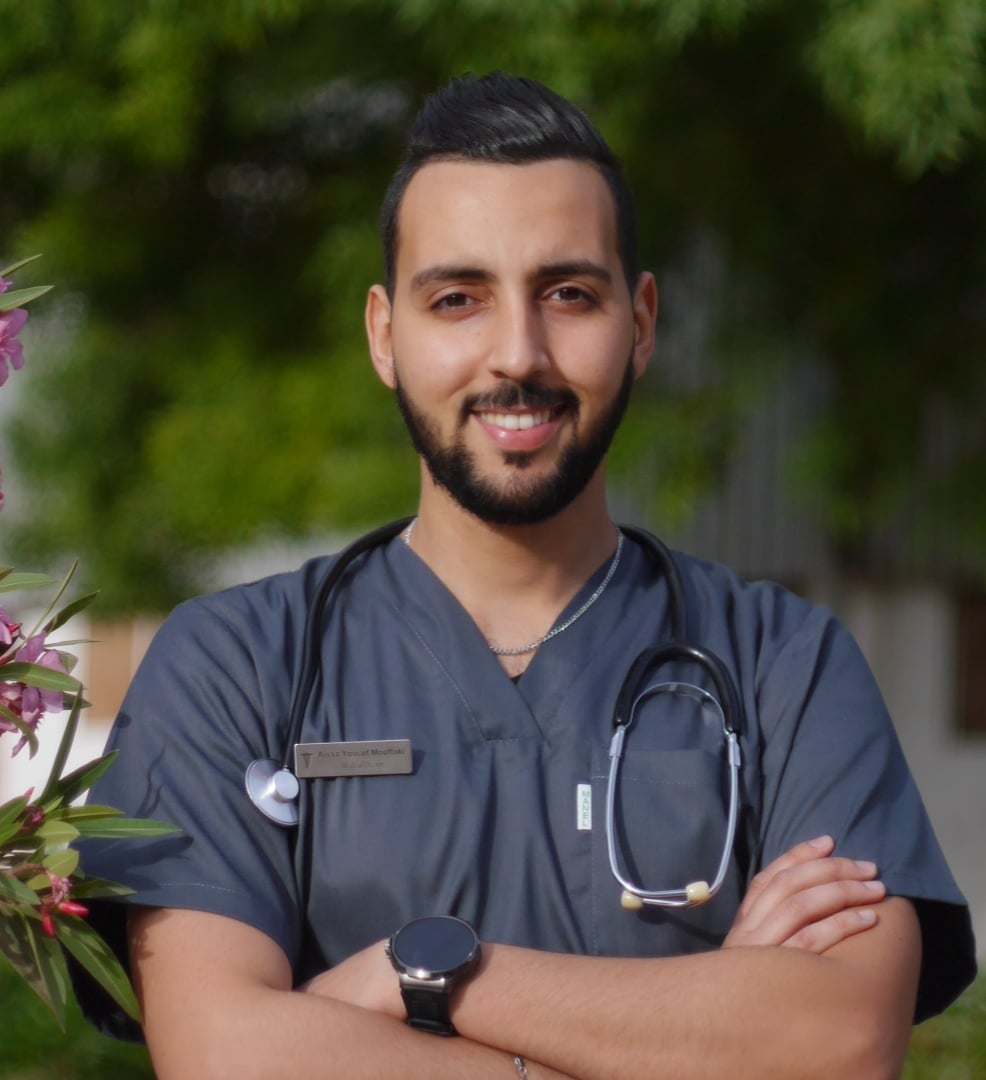
Answered byDr. Aissa Youcef Mouffoki
Medically reviewed byiCliniq medical review team
Same symptoms don't mean you have the same problem. Consult a doctor now!
Related Questions
Anti-VEGF Therapy for Wet AMD.
Will vision loss in a small child progress with age?
Blindness and Vision Loss - An Overview
Alcohol and Age-Related Macular Degeneration
Inhibiting Angiogenesis to Treat Cancer
Age-Related Macular Degeneration: All You Need to Know About Diagnosis and Treatment
Disclaimer: No content published on this website is intended to be a substitute for professional medical diagnosis, advice or treatment by a trained physician. Seek advice from your physician or other qualified healthcare providers with questions you may have regarding your symptoms and medical condition for a complete medical diagnosis. Do not delay or disregard seeking professional medical advice because of something you have read on this website. Read our Editorial Process to know how we create content for health articles and queries.