HomeAnswersUrologycircumcision of penis

What causes swelling near my penis head after circumcision?

This Premium Q&A, reviewed and published, features a real conversation between an iCliniq user and a physician.

Patient's Query

Hello Doctor,

I had a traditional circumcision surgery four weeks ago. I was experiencing some pain and increased sensitivity at first. Now, I have noticed that the ring around the head of the penis, just above where the stitches are, seems a bit swollen. Also, the dissolvable stitches are still there.

Kindly help.

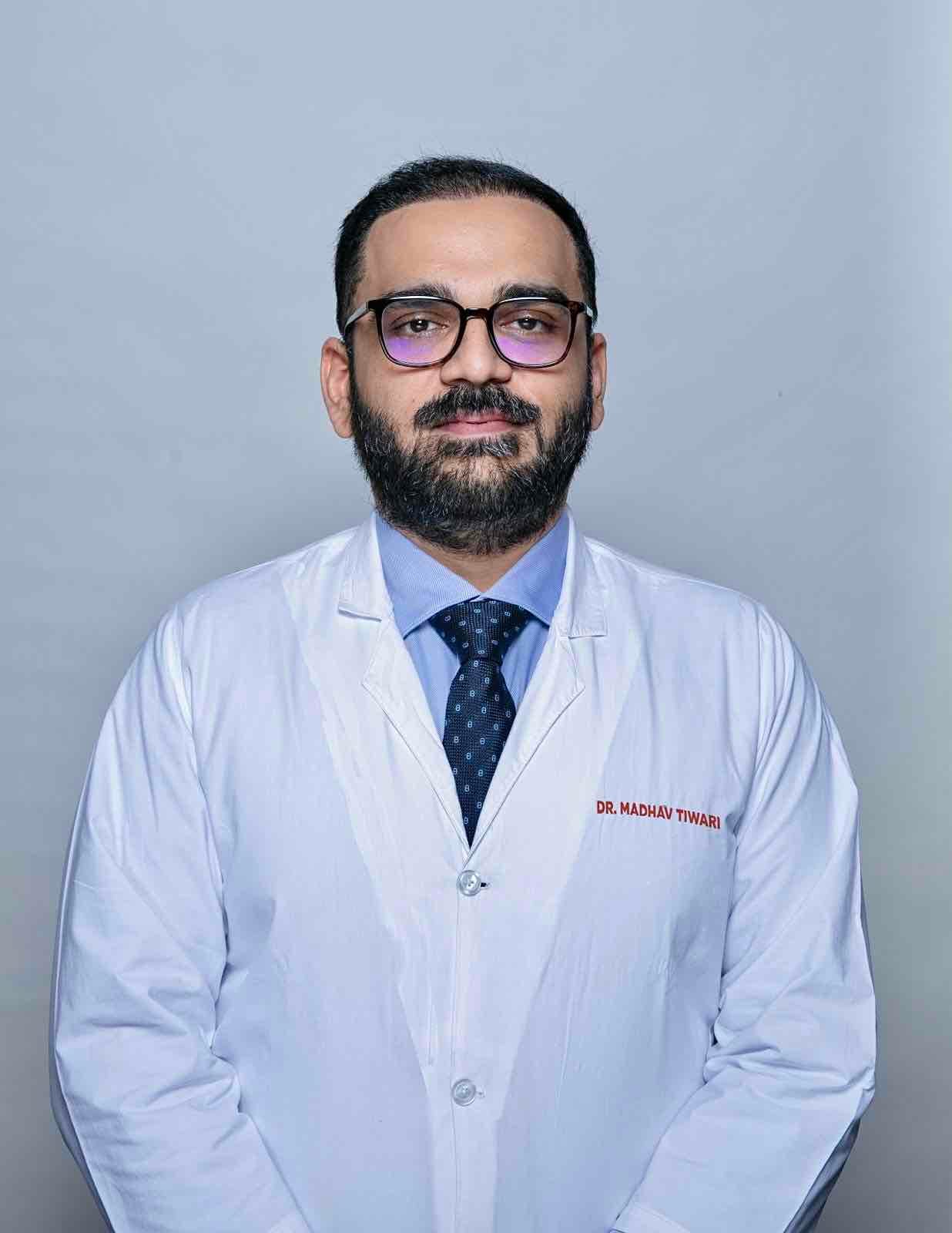
Answered by Dr. Madhav Tiwari

Education:

MBBS

Professional Bio:

Dr. Madhav Tiwari is a skilled Urologist and General Surgeon who is an expert and has a special interest in urological oncology. He specialises in performing complex robotic and minimally invasive surgeries. He is renowned for his precise surgical techniques and a patient-first approach that prioritizes both effective treatment and patient comfort. He is dedicated to providing high-quality care for a range of urological and surgical conditions. He has treated thousands of patients and remains committed to delivering personalized, compassionate care and exceptional outcomes.

This doctor is not available for online consultations on the platform anymore.

Hello,

Welcome to icliniq.com.

I understand your concern.

You are now about four weeks after having a conventional circumcision, which is an important stage in the healing process. At this point, it is normal to experience some swelling, sensitivity, or dissolvable stitches that have not yet fully fallen off. Mild swelling around the ring just below the head of the penis (called the corona) is common. It can be caused by delayed absorption of the stitches, minor inflammation or fluid buildup from healing, or irritation from friction with clothing. This is usually not a cause for concern unless you notice symptoms like pus, yellow-green discharge, increasing redness, strong pain, fever, or a foul smell.

Sensitivity of the head of the penis is also common, especially for those who were not circumcised before and are now adjusting to direct exposure. This sensitivity usually improves over time. To manage it, you can wear snug but breathable underwear to reduce friction, apply a small amount of numbing gel (like Lidocaine 2 percent) once a day for a few days if the discomfort is significant, and avoid using harsh soap or scrubbing the area.

Having stitches still present at this stage is usually not a problem. Dissolvable stitches can remain for up to six weeks and may either fall off independently or be pushed out as the skin heals. If any stitches are still tight or embedded after six weeks, your doctor can gently remove them, which is a quick and painless procedure.

To care for the area now, continue applying Mupirocin ointment (or the ointment prescribed by your doctor) once or twice a day on any red or irritated spots, and use it for another five to seven days if you have not already stopped. Watch for warning signs such as worsening pain, redness, pus, swelling that becomes hard or larger, painful urination, or a bad smell. If any of these symptoms appear, contact your doctor right away.

In terms of recovery, the sensitivity usually improves by six to eight weeks, though it can take up to three months in some cases. Swelling should gradually decrease over the next two to three weeks, and stitches usually dissolve completely by the fifth or sixth week. Overall, your healing seems to be on track. Just give it a bit more time, and if the swelling gets worse or does not improve within the next two weeks, update your doctor or consider sending a photo for further guidance.

I hope you are satisfied with my answer. For further queries, you can consult me at iCliniq.

Thank you.

Patient's Query

Hello Doctor,

I have uploaded two photos showing the stitches and the head of the penis, from the front and back. Please take a look and let me know if the healing looks normal or if there is anything to be concerned about.

Kindly help.

Answered by Dr. Madhav Tiwari

Education:

MBBS

Professional Bio:

Dr. Madhav Tiwari is a skilled Urologist and General Surgeon who is an expert and has a special interest in urological oncology. He specialises in performing complex robotic and minimally invasive surgeries. He is renowned for his precise surgical techniques and a patient-first approach that prioritizes both effective treatment and patient comfort. He is dedicated to providing high-quality care for a range of urological and surgical conditions. He has treated thousands of patients and remains committed to delivering personalized, compassionate care and exceptional outcomes.

This doctor is not available for online consultations on the platform anymore.

Hello,

Welcome back to icliniq.com.

I understand your concern.

The picture you have sent looks perfectly fine to me. (Attachment removed to protect patient’s identity).

I hope you are satisfied with my answer. For further queries, you can consult me at iCliniq.

Thank you.

Medically reviewed by iCliniq medical review team
Published At August 1, 2025
Reviewed At August 1, 2025

Education:

MBBS

Professional Bio:

Dr. Madhav Tiwari is a skilled Urologist and General Surgeon who is an expert and has a special interest in urological oncology. He specialises in performing complex robotic and minimally invasive surgeries. He is renowned for his precise surgical techniques and a patient-first approach that prioritizes both effective treatment and patient comfort. He is dedicated to providing high-quality care for a range of urological and surgical conditions. He has treated thousands of patients and remains committed to delivering personalized, compassionate care and exceptional outcomes.

This doctor is not available for online consultations on the platform anymore.

Same symptoms don't mean you have the same problem. Consult a doctor now!
1,888Visits prepared today
4.8/5User rating
~60 secAverage completion time
Prep / Recovery Guide

Circumcision Healing Prep and Recovery Guide

How it works

Circumcision recovery involves several stages, from initial healing to managing sensitivity and swelling. This guide helps you understand what to expect and how to care for the area.

1

Initial
Healing

2

Understand
Swelling

3

Manage
Stitches

4

Cope
Sensitivity

5

Daily
Care

6

Warning
Signs

This information is based on general medical guidance. It is not a substitute for professional medical advice; consult a qualified clinician.

Always consult a doctor before taking medication; self-medication carries serious health risks. Take exact prescribed doses, and never start, change, or stop treatment without medical supervision.

Education:

MBBS

Professional Bio:

Dr. Madhav Tiwari is a skilled Urologist and General Surgeon who is an expert and has a special interest in urological oncology. He specialises in performing complex robotic and minimally invasive surgeries. He is renowned for his precise surgical techniques and a patient-first approach that prioritizes both effective treatment and patient comfort. He is dedicated to providing high-quality care for a range of urological and surgical conditions. He has treated thousands of patients and remains committed to delivering personalized, compassionate care and exceptional outcomes.

This doctor is not available for online consultations on the platform anymore.

Listen to related tracks in our music library
Comprehensive Second Opinion

Ask your health query to a doctor online

*guaranteed answer within 4 hours

Disclaimer: No content published on this website is intended to be a substitute for professional medical diagnosis, advice or treatment by a trained physician. Seek advice from your physician or other qualified healthcare providers with questions you may have regarding your symptoms and medical condition for a complete medical diagnosis. Do not delay or disregard seeking professional medical advice because of something you have read on this website. Read our Editorial Process to know how we create content for health articles and queries.
