
Patient's Query
Hello doctor,
My husband has a 0.3-inch kidney stone located in the upper pole, as shown on a recent CT scan, which is causing hydronephrosis. At the hospital, he was advised to have a stent inserted while waiting for extracorporeal shock wave lithotripsy (ESWL), which is scheduled in about five months.
He previously had a stent for only six weeks, and he found it difficult to manage at work. A private specialist suggested that ureteroscopy might be more successful. However, my husband is concerned about surgery because he has sleep apnea.
My husband’s medical history related to this issue includes pain in the right side, back, and right testicle. He previously underwent ureteroscopy about a year ago. His current medications include Fluoxetine, Propranolol, Melatonin, Lansoprazole, and Amlodipine. For his kidney stone, he had previously taken Tamsulosin, which was stopped due to causing a rapid heart rate. Recent blood tests, including U&E’s, are normal, and we are awaiting the results of repeat blood tests.
I would like to know:
What is the general success rate of ESWL for a 0.3-inch stone located in the upper pole?
Is one session usually enough to clear the blockage?
We are considering private ESWL because it would be cheaper, but we want to understand the likely outcome. Please help.
Thank you.
Hi,
Welcome to icliniq.com.
I read your query and can understand your concern.
I have reviewed your ED (emergency department) discharge note and your description (attachments were removed to protect the patient's identity), and here is my advice regarding your husband’s kidney stone.
Your husband currently has a 0.3-inch stone in the upper part of the ureter (the tube connecting the kidney to the bladder). This stone is blocking urine flow, which has caused hydronephrosis, a condition where urine builds up and puts pressure on the kidney. If left untreated, this can potentially harm the kidney.
Why did the hospital suggest a stent?
A stent is a thin, flexible tube placed in the ureter to help urine drain from the kidney to the bladder. It does not remove the stone but helps:
Relieve urgent pressure on the kidney.
Prevent kidney damage.
Reduce the risk of infection while the stone is still present.
I understand your husband found a stent uncomfortable in the past. Even so, it is protective, especially if waiting months for treatment.
Treatment options:
1. ESWL (extracorporeal shock wave lithotripsy- a shock wave lithotripsy): This is a non-invasive procedure that uses shock waves from outside the body to break the stone into small pieces that can pass naturally.
For a 0.3-inch stone in the upper ureter:
Success with one session is around 50–60 percent.
Often, two to three sessions are needed to fully clear the stone.
Success may be lower if:
The stone is hard.
The patient has a higher BMI (body mass index).
The stone is in the upper ureter.
Note: Passing fragments can be slow, and sometimes ureteroscopy is still needed afterward. ESWL is therefore less reliable for a 0.3-inch stone.
2. Ureteroscopy (URS/laser lithotripsy):
This procedure uses a thin scope to reach the ureter and remove or break the stone with a laser.
Why this may be better for your husband:
90 to 95 percent success in one procedure.
Immediate clearance of the stone.
Usually, there is no need for multiple treatments.
Very safe, even for patients with sleep apnea.
Takes about 60 minutes.
If your husband wants the quickest and most reliable solution, URS is the better option.
About the stent:
Since the kidney is already under pressure, a stent is strongly recommended until the definitive procedure.
Even with a private URS, a stent may sometimes be placed during the procedure.
If your husband cannot tolerate a stent, it is still possible to proceed directly to URS without waiting months.
If a private URS is possible, go straight to ureteroscopy.
Benefits:
Avoid months of waiting.
Avoid long-term stent discomfort.
No multiple ESWL sessions.
If choosing ESWL:
Expect more than one session.
A stent will still likely be needed.
Clearance may be slower and not guaranteed.
I hope this helps.
Kindly revert so I can assist you further.
Thank you.
Patient's Query
Hello doctor,
Thanks for your detailed reply. My Husband will be attending the hospital today to have a stent fitted and can then decide on the next step. He has read your advice. He woke up this morning feeling Nauseous. Thanks again for your help.
Hello,
Welcome to icliniq.com.
Thank you for the update. It is good that he is going in today for the stent. Given the obstruction and hydronephrosis, this is the safest immediate step to protect his kidney while he decides on definitive treatment. About the nausea this morning, it can happen in three situations with an obstructing stone:
As long as there is no fever, chills, or severe vomiting, it is not an emergency. But if he develops any of these, please inform the hospital immediately, as a blocked kidney can get infected quickly. After the stent is placed, he should feel relief within 24 to 48 hours. The nausea, flank pain usually improve significantly once the pressure is relieved. Please reassure him that the stent is temporary and prevents kidney damage. It gives him time to choose between ureteroscopy and ESWL. Feel free to message me anytime if you have any more questions.
I hope this helps you.
Kindly revert if there are any queries.
Thank you.
Was this conversation helpful?
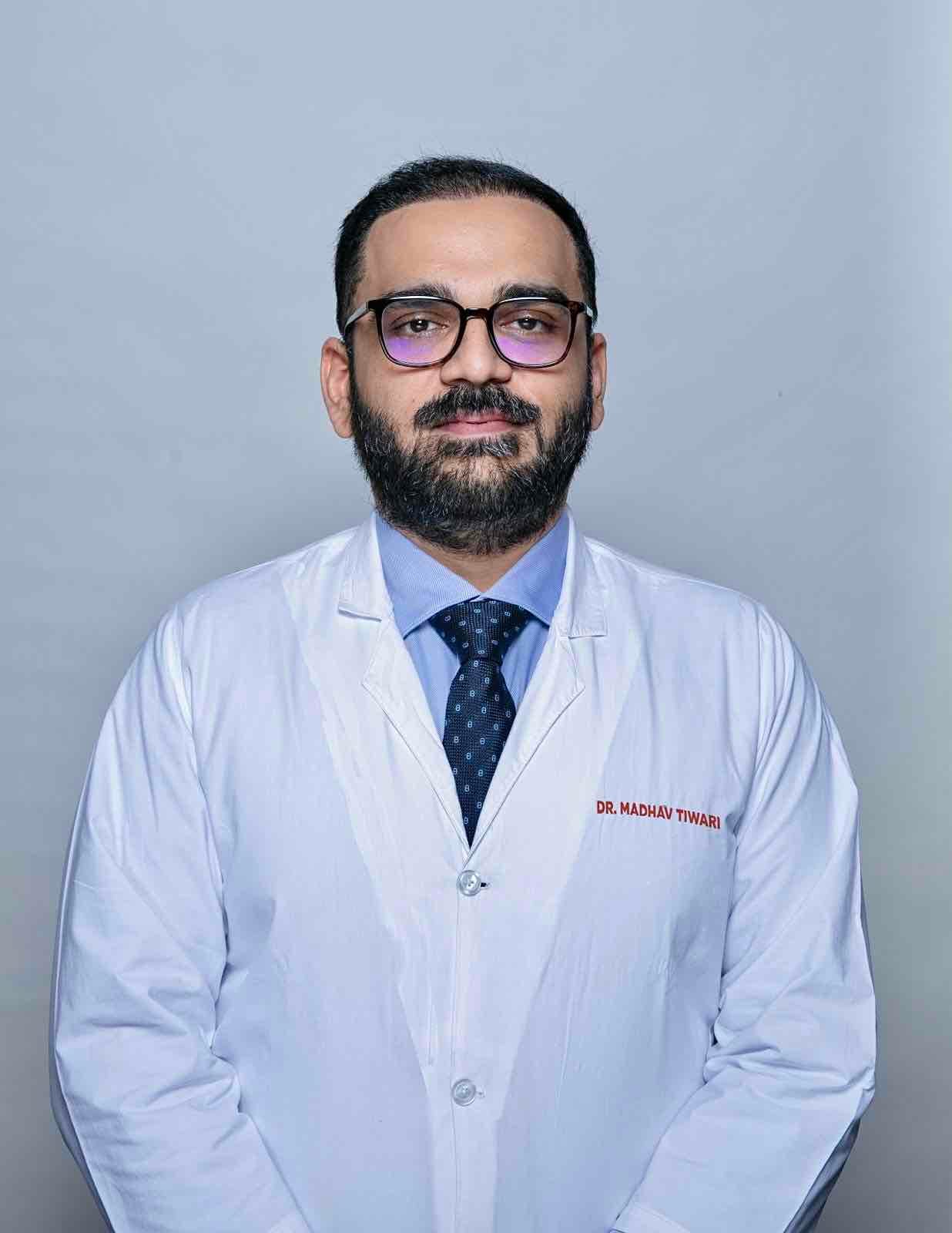
Answered byDr. Madhav Tiwari
Medically reviewed byiCliniq medical review team
Same symptoms don't mean you have the same problem. Consult a doctor now!
Disclaimer: No content published on this website is intended to be a substitute for professional medical diagnosis, advice or treatment by a trained physician. Seek advice from your physician or other qualified healthcare providers with questions you may have regarding your symptoms and medical condition for a complete medical diagnosis. Do not delay or disregard seeking professional medical advice because of something you have read on this website. Read our Editorial Process to know how we create content for health articles and queries.