HomeAnswersPsychiatrymajor depressive disorder

What are the new treatments for major depressive disorder?

This Premium Q&A, reviewed and published, features a real conversation between an iCliniq user and a physician.

Patient's Query

Hi doctor,

I have been feeling down for a long time and recently got diagnosed with major depressive disorder. I tried antidepressants, but they do not seem to work well. Is there a better option like TMS or ketamine therapy? I also read about some genetic testing. Is that something I can try? I really want to feel normal again.

Please help me.

Thanks.

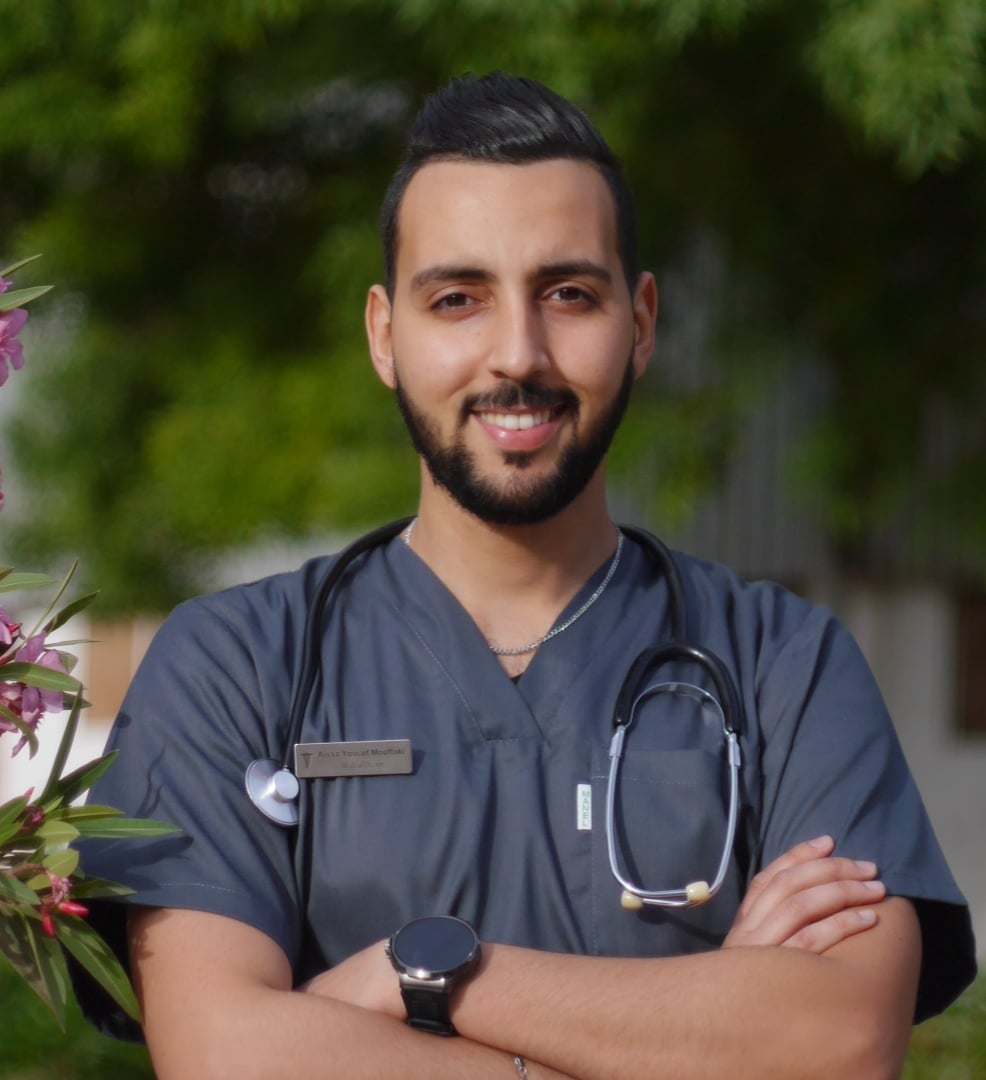
Answered by Dr. Aissa Youcef Mouffoki

Education:

Doctorate of Medicine

Professional Bio:

As a general practitioner deeply committed to holistic and accessible healthcare, I believe in treating patients as whole individuals—physically, mentally, and socially. My medical philosophy centers on prevention, patient education, and active listening, aiming to build trust and long-term well-being. I advocate for a more human, innovative approach to medicine, and regularly share insights with my community to empower and educate. I am fluent in Arabic, French, and English, which allows me to connect with and support a diverse patient population across cultures and regions.

This doctor is not available for online consultations on the platform anymore.

Hi,

Welcome to icliniq.com.

I can understand your concern.

Thank you for opening up. What you are going through is more common than you might think, and you are absolutely not alone in this. Major depressive disorder can feel incredibly heavy, especially when the first treatments do not seem to help. What you are describing may be what is known as treatment-resistant depression, which simply means your body has not responded well to traditional antidepressants, but that does not mean there is no hope.

There are other options worth exploring. One is transcranial magnetic stimulation (TMS). It is a non-invasive treatment that uses magnetic pulses to stimulate areas of the brain involved in mood regulation. Many people with depression that has not responded to medication have found significant relief with TMS.

Another promising treatment is Ketamine (or its nasal spray form, Esketamine). These have shown encouraging results, often bringing rapid improvement, especially when depression feels deeply stuck or overwhelming.

You also mentioned genetic testing, and yes, that is a very reasonable step. Pharmacogenetic testing looks at how your body processes medications based on your genes. It can help your provider choose the antidepressant that is most likely to work for you, with fewer side effects.

While the medical treatments are important, please do not underestimate the value of consistent support, whether through therapy, routine, gentle structure, or connection with others. You do not have to go through this alone.

Thank you.

Medically reviewed by iCliniq medical review team
Published At August 2, 2025
Reviewed At August 2, 2025

Education:

Doctorate of Medicine

Professional Bio:

As a general practitioner deeply committed to holistic and accessible healthcare, I believe in treating patients as whole individuals—physically, mentally, and socially. My medical philosophy centers on prevention, patient education, and active listening, aiming to build trust and long-term well-being. I advocate for a more human, innovative approach to medicine, and regularly share insights with my community to empower and educate. I am fluent in Arabic, French, and English, which allows me to connect with and support a diverse patient population across cultures and regions.

This doctor is not available for online consultations on the platform anymore.

Same symptoms don't mean you have the same problem. Consult a doctor now!
Education:

Doctorate of Medicine

Professional Bio:

As a general practitioner deeply committed to holistic and accessible healthcare, I believe in treating patients as whole individuals—physically, mentally, and socially. My medical philosophy centers on prevention, patient education, and active listening, aiming to build trust and long-term well-being. I advocate for a more human, innovative approach to medicine, and regularly share insights with my community to empower and educate. I am fluent in Arabic, French, and English, which allows me to connect with and support a diverse patient population across cultures and regions.

This doctor is not available for online consultations on the platform anymore.

Listen to related tracks in our music library
Comprehensive Second Opinion

Ask your health query to a doctor online

*guaranteed answer within 4 hours

Disclaimer: No content published on this website is intended to be a substitute for professional medical diagnosis, advice or treatment by a trained physician. Seek advice from your physician or other qualified healthcare providers with questions you may have regarding your symptoms and medical condition for a complete medical diagnosis. Do not delay or disregard seeking professional medical advice because of something you have read on this website. Read our Editorial Process to know how we create content for health articles and queries.
