Table of Contents
- 1How Does the Beremagene-Geperpavec-Svdt Work in Epidermolysis Bullosa?
- 2What Are the Side Effects of Beremagene-Geperpavec-Svdt?
- 3What Are the Things to Inform the Doctor Before Taking Beremagene-Geperpavec-Svdt?
- 4What Are the Pharmacological Actions of Beremagene-Geperpavec-Svdt?
- 5What Are the Drug Interactions of Beremagene-Geperpavec-Svdt?
- 6Warnings and Precautions
Overview
Beremagene-geperpavec-svdt is a gene therapy approved by the US FDA (United States Food and Drug Administration) on May 19, 2023, to treat epidermolysis bullosa (EB). This very rare genetic illness is characterized by fragile skin that may easily blister to cause painful wounds and lead to severe complications in general health. Beremagene-geperpavec-svdt treats the root cause of the disease through the correction of mutations that affect the COL7A1 (collagen type VII alpha 1) gene encoding collagen type VII alpha one chain, an essential component in the synthesis of type VII collagen that is a crucial structural as well as integrity component of the skin. Beremagene-geperpavec-svdt will help in the overexpression of COL7 or collagen type VII, a functional protein for collagen type VII; this will aid in healing wounds further and improve the quality of life. The following article elaborates on the mechanism of action, efficacy, safety, and clinical relevance of Beremagene-geperpavec-svdt.
Drug Group
Beremagene geperpavec belongs to the gene therapy drug group. It is an ex vivo gene therapy that uses a viral vector modified to introduce a copy of the intact COL7A1 gene to treat dystrophic epidermolysis bullosa in patients. The idea is to reverse the dysfunction that causes the disease in type VII collagen, one of the skin's critical components.
Indications
Beremagene-geperpavec-svdt is a treatment approved for use in individuals six months and older with wounds caused by dystrophic epidermolysis bullosa (DEB). This condition is linked to mutations in the COL7A1 gene, which is responsible for producing the collagen type VII alpha 1 chain.
Dosage Forms and Available Strengths
Dosage Forms:
Topical Gel Formulation: Beremagene-geperpavec-svdt is supplied as a suspension that must be reconstituted with an excipient gel before administration.
Available Strengths: Each vial of Beremagene-geperpavec-svdt contains a concentration of either 1.6 × 10⁹ PFU (plaque-forming units) or 3.2 × 10⁹ PFU, which measures the number of viral particles in the product. It depends on the age-based dosage requirement.
For Patients
How Does the Beremagene-Geperpavec-Svdt Work in Epidermolysis Bullosa?
Beremagene-geperpavec-svdt is a gene therapy that has been approved for the use of patients diagnosed with dystrophic epidermolysis bullosa (DEB) caused by mutations in the COL7A1 gene; such mutations prevent the skin from producing a vital type of collagen. This is the type VII collagen that forms the bridge between the layers of skin. This collagen is also critical in holding the layers of the skin together.
DEB causes the skin to be very fragile since there is a lack of functional collagen. As such, slight friction or trauma quickly results in blistering, wounds, and scarring. The condition can be mild, at its most aggressive stage, affecting the skin, mucous membranes, or even internal tissues.
Beremagene-geperpavec-svdt works by directly transferring a healthy copy of the COL7A1 gene into skin cells with the help of a modified virus. This allows the cells to produce the missing collagen so that the skin heals more deeply, brings back wounds, and reduces blistering. This therapy can be applied topically on the wound once a week so that healing can continue constantly.
What Are the Side Effects of Beremagene-Geperpavec-Svdt?
The most common side effects (occurring in more than five percent of patients) include the following:
-
Itching.
-
Chills.
-
Redness.
-
Rash.
-
Cough.
-
Runny nose.
What Are the Things to Inform the Doctor Before Taking Beremagene-Geperpavec-Svdt?
Before starting treatment with Beremagene-geperpavec-svdt, inform your doctor or healthcare provider about the following:
-
Allergies: Inform them if you have any allergies to medications, especially those related to viral therapies.
-
Medical History: Share your complete medical history, particularly if you have any history of skin conditions, immune system issues, or infections.
-
Current Medications: Provide a list of the medications the patient is currently taking, including prescription, over-the-counter (OTC), and herbal supplements.
-
Pregnancy and Lactation: If the patient is pregnant, planning for pregnancy, or breastfeeding, discuss this with the doctor, as it may affect treatment decisions.
-
Surgery or Procedures: Let the doctor know if the patient has any upcoming surgeries or medical procedures.
-
Informed Consent: Ensure the patient understands the treatment, including its benefits and hazards. Please do not hesitate to ask any questions you may have.
Other Information for Patients:
-
Avoid Contact: Do not touch, rub, or break open treated wounds or dressings for at least 24 hours after application of Beremagene-geperpavec-svdt gel. If accidental exposure occurs, clean the affected site immediately.
-
Hand Hygiene: Always clean the hands, and put on gloves if changing a wound dressing.
-
Disinfection: Disinfect bandages after the first dressing change using a virucidal agent like 70 percent isopropyl alcohol, six percent hydrogen peroxide, or less than 0.4 percent ammonium chloride. Dispose of the disinfected bandages in a sealed plastic bag with household waste. Subsequent used dressings and cleaning materials should also be placed in a sealed plastic bag for disposal of household waste.
Dietary Considerations
No dietary restrictions unless advised by your doctor.
Missed Dose
If a dose of Beremagene-geperpavec-svdt gel is missed, apply it immediately and then continue with the regular weekly dosing schedule.
Overdose
No information is available regarding overdose.
Storage and Handling
Each Beremagene-geperpavec-svdt carton contains one vial of Beremagene-geperpavec-svdt biological suspension and one vial of excipient gel. The suspension has a green cap and holds 1.0 mL (milliliter) at a concentration of 5×10^9 PFU/mL (plaque-forming units per milliliter). The excipient gel has a blue cap and contains 1.5 mL.
Store Beremagene-Geperpavec-Svdt at -15°C (degree Celsius) to -25°C (5°F (degrees Fahrenheit) to -13°F). If a freezer is unavailable, it can be refrigerated at two to eight degrees Celsius (35.6°F to 46.4 degrees Fahrenheit) for up to one month.
Before use, mix the Beremagene-geperpavec-svdt with the excipient gel. After mixing, keep syringes at room temperature for up to eight hours or refrigerate for up to 48 hours.
Disposal
Dispose of Beremagene-geperpavec-svdt materials according to local regulations and guidelines for biohazardous waste. If mixed with the excipient gel to make a biological suspension of Beremagene-geperpavec-svdt, all unused or expired products with syringes and vials should be treated as biohazardous waste. The FDA recommended hazardous waste be disposed of by state and local law. Always handle and dispose of these materials with proper safety precautions to avoid exposure or contamination.
For Doctors
Description:
Beremagene-geperpavec-svdt is a biological suspension that appears opalescent yellow to colorless and is mixed into an excipient gel for topical application. The biological suspension comes in a single-use vial with a green cap containing 1.0 mL of extractable volume at a nominal concentration of 5 × 10⁹ PFU/mL. It comes in 1.5 mL of volume in a vial that has a blue cap, the excipient gel is used separately. Mix 1.0 mL of the Beremagene-geperpavec-svdt cell and tissue culture suspension with the contents of a vial of excipient gel in a single injection prior to administration.
Dose:
The prescribed dose is age-related for the gel, which is applied to the affected areas once a week.
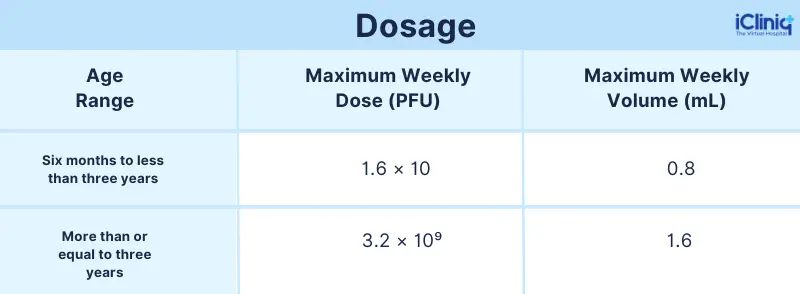
You may not be able to apply Beremagene-geperpavec-svdt gel to all wounds at each visit. Treat existing wounds until they close before addressing new ones. If a wound reopens, prioritize treatment in the next session.
How Is Beremagene-Geperpavec-Svdt Administered?
Preparation: Beremagene-geperpavec-svdt gel should be prepared at the pharmacy and available within eight hours when mixed from biological suspension and excipient gel. Pregnant women should not use the gel application; it should only be used by medical professionals.
Supplies Needed:
-
Beremagene-geperpavec-svdt biological suspension vial.
-
Excipient gel vial.
-
Needles, syringes, gloves, alcohol pads, and a biohazard container.
Preparation Steps:
-
Thaw both vials at room temperature for at least 20 minutes.
-
Mix the biological suspension into the excipient gel vial and shake vigorously for 10 seconds.
-
Withdraw the prepared gel into administration syringes.
Administration: Use Beremagene-geperpavec-svdt gel immediately after preparation. Apply it in droplets on the wound, spaced about 0.4 inches (one centimeter) apart. Cover the gel-treated area with a non-adherent dressing followed by a standard dressing. Clean surfaces that come in contact with the gel and dispose of all materials properly. Avoid changing the dressing for about 24 hours after application.
Warnings and Precautions
Beremagene-geperpavec-svdt is a gene therapy engineered from a replication-deficient, non-integrating herpes simplex virus type 1 vector. This drug does not replicate within the host cells and is not integrated into the host genome.
To prevent exposure by accident:
-
Avoid direct contact with treated wounds and their dressings for almost 24 hours after the treatment.
-
Wear protective gloves when assisting with dressing changes or handling disposal of materials.
-
If you are exposed accidentally, such as by a splash to the eyes or mucous membranes, rinse thoroughly with clean water for at least 15 minutes.
What Are the Pharmacological Actions of Beremagene-Geperpavec-Svdt?
Mechanism of Action
The basis of DEB is genetic mutations of the COL7A1 gene, creating deficiency or lack of COL7. Once Beremagene-geperpavec-svdt was injected into wounds, this drug would penetrate keratinocytes and fibroblasts to deposit genetic materials into the nucleus. As a result, keratinocytes produce COL7, forming an anchoring fibril that holds skin tissue in place. Patients with autosomal dominant DEB (DDEB) have reduced functional anchoring fibrils, while patients with recessive DEB (RDEB) have none.
Pharmacodynamics
In a preliminary study with six subjects, Beremagene-geperpavec-svdt treatment resulted in the linear deposition of COL7 at the skin layer where the dermis meets the epidermis.
Pharmacokinetics
In an initial clinical study, viral vector DNA (deoxyribonucleic acid) was found in skin swabs from all nine subjects, with levels ranging from 5.1×10^4 to 4.1×10^8 genomes. Among them, 67 percent showed negative shedding within eight weeks post-treatment. No viral DNA was found in the blood or urine.
In a larger randomized trial with 31 subjects, Beremagene-geperpavec-svdt genomes were assessed in blood, urine, skin swabs, and bandages. Most blood and urine samples were below detectable levels. Skin swabs from 61 percent of subjects tested positive for viral vector DNA, but 84 percent of these became negative within six weeks. Most wound dressings contained detectable vector genomes, but no infectious viral particles were found on the skin at any time.
Immunogenicity
There was minimal systemic exposure to Beremagene-geperpavec-svdt. In a study subset, 64 percent of subjects had antibodies against the viral vector (HSV-1) at baseline. Six of eight previously seronegative subjects developed antibodies by week 26 after treatment. Additionally, 72 percent of subjects treated with Beremagene-geperpavec-svdt showed anti-drug antibodies (ADAs) against COL7 after 26 weeks, though limited data prevents assessment of anti-drug antibodies' impact on pharmacodynamic activity.
Non-Clinical Toxicity:
There have been no animal studies to determine the effects of Beremagene-geperpavec-svdt on cancer development, genetic mutations, or reproductive impairment.
What Are the Contraindications of Beremagene-Geperpavec-Svdt?
There is no evident contraindication documented.
What Are the Drug Interactions of Beremagene-Geperpavec-Svdt?
None (clinical studies are not performed to assess the interactions of Beremagene-geperpavec-svdt with other medicines).
Clinical Studies
The effectiveness of Beremagene-geperpavec-svdt gel for treating dystrophic epidermolysis bullosa (DEB) in patients aged one year and older was tested in a study with 31 participants (20 males and 11 females), mostly with autosomal recessive DEB. Each patient had two similar wounds: one received Beremagene-geperpavec-svdt gel, and the other received a placebo weekly for 26 weeks. The average age of the participants was 17 years, with 61 percent being children.
The study measured how many wounds healed utterly (100 percent) at different times. Results were that of 65 percent of complete healing in wounds treated by Beremagene-geperpavec-svdt by Weeks 22 and 24 respectively, as compared to that of 26 percent which was found in the control group. The difference of this study was statistically valid. At weeks eight and 10, 68 percent of the wounds treated using Beremagene-geperpavec-svdt healed completely in comparison to that of just 23 percent in a placebo group. These results suggest that Beremagene-geperpavec-svdt gel helps wounds heal better than the placebo.
Use in Specific Populations
Pregnancy
No data exists about use of Beremagene-geperpavec-svdt gel among pregnant women that could be evaluated for associated risks. In the general U.S. population, the estimated risks of any major birth defects and miscarriage in recognized pregnancies are two to four percent and 15 to 20 percent, respectively.
If a patient becomes pregnant while using Beremagene-geperpavec-svdt gel, they should be informed of potential risks to the fetus and newborn. Women of childbearing (reproductive) potential are advised to use effective contraception during treatment.
Lactation
There is no information on whether Beremagene-geperpavec-svdt is present in human milk, its effects on breastfed infants, or its impact on milk production. Animal lactation studies have not been conducted. The benefits of breastfeeding must be weighed off the balance scale and set against the potential needs of the mother with risks to the breastfed baby.
Reproductive Potential
No studies have been conducted regarding the effect of Beremagene-geperpavec-svdt on fertility in both males and females.
Pediatric Use
Beremagene-geperpavec-svdt gel has been studied in pediatric patients, and its safety and effectiveness profiles are similar to those observed in adults.
Geriatric Use
Clinical studies of Beremagene-geperpavec-svdt gel did not include patients aged 65 and older.

