Table of Contents
Introduction
Long-term use of weight loss drugs can lead to significant nutritional deficiencies and health risks. Certain medications interfere with nutrient absorption, resulting in deficiencies of vital vitamins and minerals, such as vitamins A, D, E, K, B12, calcium, iron, and zinc. These deficiencies can have serious health implications if not managed properly. Additionally, the long-term use of these drugs carries potential risks, including dependency, tolerance, and various side effects. However, these challenges can be addressed with proper guidance and collaboration between healthcare providers and patients. This discussion delves into the nutritional considerations, potential risks, and collaborative strategies necessary for maintaining balanced nutrition during extended weight loss drug treatment.
Nutritional Deficiencies of Long-Term Weight Loss Drug Use
There is an increased chance of severe deficiencies because of the use of weight loss drugs.
The deficiencies include:
-
Vitamin and Mineral Deficiencies: Certain weight loss drugs interfere with fat absorption, which can lead to significant deficiencies, especially of fat-soluble vitamins like A, D, E, and K. Orlistat is one such medication that has the potential to inhibit the absorption of dietary fats. They act on the lipases to bring out their action.
To enlist the various fat-soluble vitamin deficiencies which can be caused by weight loss medications, include:
-
Vitamin A.
-
Vitamin D.
-
Vitamin E.
-
Vitamin K.
-
Vitamin B12.
-
Calcium.
-
Iron deficiency.
-
Zinc deficiency.
The use of weight loss drugs results in a change in the pattern of nutrient absorption, leading to deficiencies. Therefore, individuals on weight loss medications are usually prescribed vitamin and mineral supplements, particularly fat-soluble vitamins like A, D, E, and K.
Risks and Benefits of Long-Term Weight Loss Drugs
Long-term use of weight loss drugs is a serious concern, as it has significant risks compared to the benefits. The individuals taking the medicines must be made aware of them beforehand. Side effects of weight loss drugs, such as nausea, headaches, and very commonly, gastrointestinal issues, are reported. There is also the risk of increased blood pressure and heart rate, which can considerably affect the quality of life.
Moreover, an increased risk of dependency and tolerance is an actual concern. The individuals might need higher doses over time to ensure they get the same weight loss outcome. There are reports of suicidal tendencies in individuals consuming weight loss drugs in the long term. For this reason, the authorities have recommended issuing a warning on the medication so it can be used cautiously. Research is in progress regarding the long-term usage of the newer weight loss drugs. Many weight loss drugs that were previously very promising have now been taken off the market owing to their fatal side effects.
Despite all these risks, individuals might feel these drugs are the only solution to losing weight and improving their self-esteem. These are the only benefits in this regard. A modest ten percent weight loss may be achieved in clinical practice beyond four years. Additionally, it has been noted to be more effective when combined with a healthy lifestyle and exercise. A structured meal plan and behavior modification therapy are very beneficial.
Maintaining a Balanced Diet on Long-Term Weight Loss Drugs
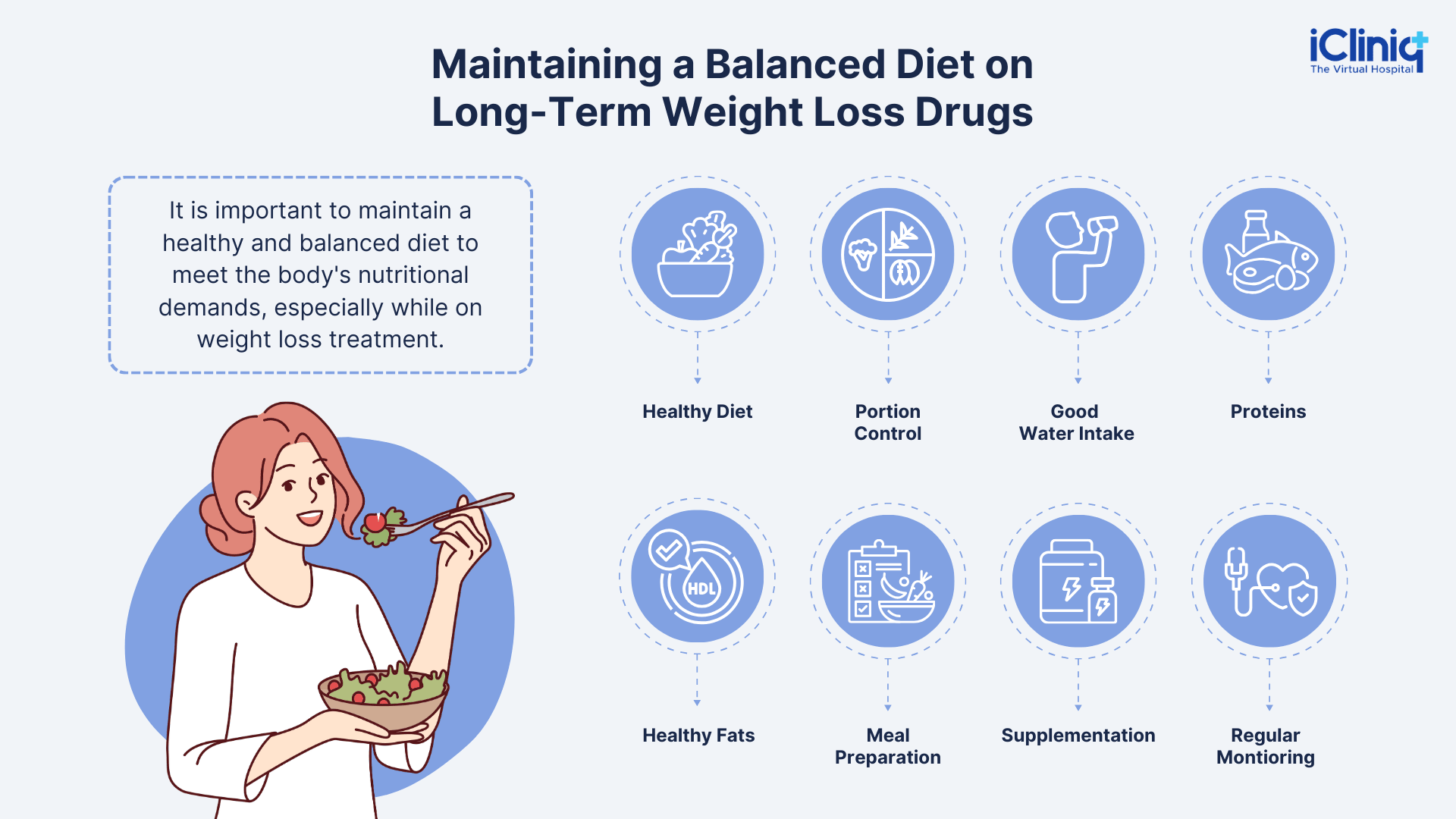
It is important to maintain a healthy and balanced diet to meet the body's nutritional demands, especially while on weight loss treatment. This is achieved by an active lifestyle accompanied by taking expert professional advice.
A few strategies to attain balanced nutrition while on weight loss treatment include:
-
Consultations With Healthcare Professionals: This is important as they can help cater to and understand the body's requirements. Also, nutritional deficiencies and side effects encountered during the treatment can be addressed.
-
Healthy, Balanced, Nutrient-Rich Diet: There must be an increased emphasis on eating healthy whole foods rather than processed junk food. The body's requirements for vitamins, minerals, and fiber must all be met for overall well-being.
-
Portion Control: It is important to limit calorie intake per meal. These measurements must align with weight loss goals and be approved by a healthcare professional before initiation. Also, techniques such as small plates, serving sizes, and mindful eating help prevent most overeating and regulate portions to a great extent.
-
Good Water Intake: Drink lots of water, as that helps prevent overeating and, thereby, helps regulate weight.
-
Proteins: Incorporate lean protein sources like chicken, fish, beans, and legumes. Protein aids in muscle maintenance and satiety, helping to prevent overeating.
-
Healthy Fats: Include sources of healthy fats such as avocados, nuts, seeds, and olive oil. Healthy fats are essential for brain health, hormone production, and overall well-being.
-
Meal Preparation and Planning: It is highly encouraged to plan and prepare meals and snacks ahead of time so there is no temptation during hunger pouts.
-
Supplementation: When associated deficiencies exist, the healthcare provider will prescribe supplements. It is recommended that the individual take them appropriately at the prescribed intervals.
-
Monitor on a Regular Basis: It is important to monitor mental and physical health regularly while on a weight loss program. Any negative side effects must be promptly consulted by the doctor.
Ensuring Adequate Nutrition With Long-Term Weight Loss Drugs
A collaborative stance is necessary to achieve the best outcome while taking weight loss medications. From the healthcare provider's end, regular assessments to monitor the individual's health and nutritional status are advised. Any side effects must be promptly noted, and dosages adjusted as needed. Healthcare providers must also offer advice and recommendations based on the guidelines and work towards making a personalized treatment plan. The plan must be focused on fulfilling the nutritional requirements. If there are nutritional deficiencies, appropriate supplements must be provided. Also, the individual must be referred to a nutritionist who can give extra support regarding portion control and balanced eating.
Overall, healthcare providers must educate individuals about the long-term benefits and risks, emphasizing the safety of weight loss drugs. They must also be available to support them in making informed choices about their foods when on weight loss drugs. All information resources must be made available. Healthcare providers must also keep regular follow-up appointments to assess the effectiveness of the intervention in the long run. Any concerns and challenges faced must be addressed and rectified.
Discussing challenges, doubts, and concerns is very important from the individual's side. There should be active participation in following the dietary recommendations and guidelines. If nutritional supplements are provided, it is the individual's responsibility to take them on time. This will help address the long-term issue of dietary deficiencies.
In case of any side effect or concern during weight loss supplementation, the individual must present it to the healthcare provider immediately so that the treatment can be modified as needed. Also, individuals need to seek support from healthcare providers and other support professionals whenever they encounter any challenges in the long term.
Conclusion
While long-term use of weight loss drugs can aid in achieving and maintaining weight loss, it poses significant nutritional and health risks. The potential for vitamin and mineral deficiencies necessitates a collaborative approach between healthcare providers and patients. Regular monitoring, dietary adjustments, supplementation, and lifestyle modifications are essential to mitigate these risks. By working closely with healthcare professionals, patients can ensure they receive the necessary nutrients and manage side effects effectively. Ultimately, maintaining open communication and adhering to personalized treatment plans will help individuals achieve their weight loss goals while safeguarding their overall health and well-being.