- 1Evaluating the Clinical Efficacy of Weight Loss Drugs: Evidence-Based Insights
- 2Five Promising Weight Loss Drugs: Current Developments and Future Potential
- 3Pipeline for Future Obesity Medications:
- 4Weight Loss Drugs Versus Placebos in Clinical Trials
- 5Drug Interactions Associated with Weight Loss Drugs
Introduction
Obesity is a global health crisis in which the body weight exceeds the healthy range. Weight reduction can effectively tackle obesity or overweight. Weight loss drugs are a category of medications that assist in losing weight. Like any other drug, weight loss drugs also offer a spectrum of promises and risks. Each weight loss drug exhibits a unique safety and effectiveness profile. This emphasizes the need to understand how effective and popular weight loss drugs are and the risks associated with each of them.
Evaluating the Clinical Efficacy of Weight Loss Drugs: Evidence-Based Insights
Exploring the clinical efficacy of various weight loss drugs provides valuable insights into their effectiveness and suitability for addressing weight management challenges. Understanding the clinical efficacy of different weight loss pills is crucial for healthcare providers to make informed treatment decisions tailored to individual patient needs, ultimately improving the effectiveness of weight management interventions and patient outcomes. Table 1 presents a compilation of evidence-based studies assessing the clinical efficacy of weight loss medications.
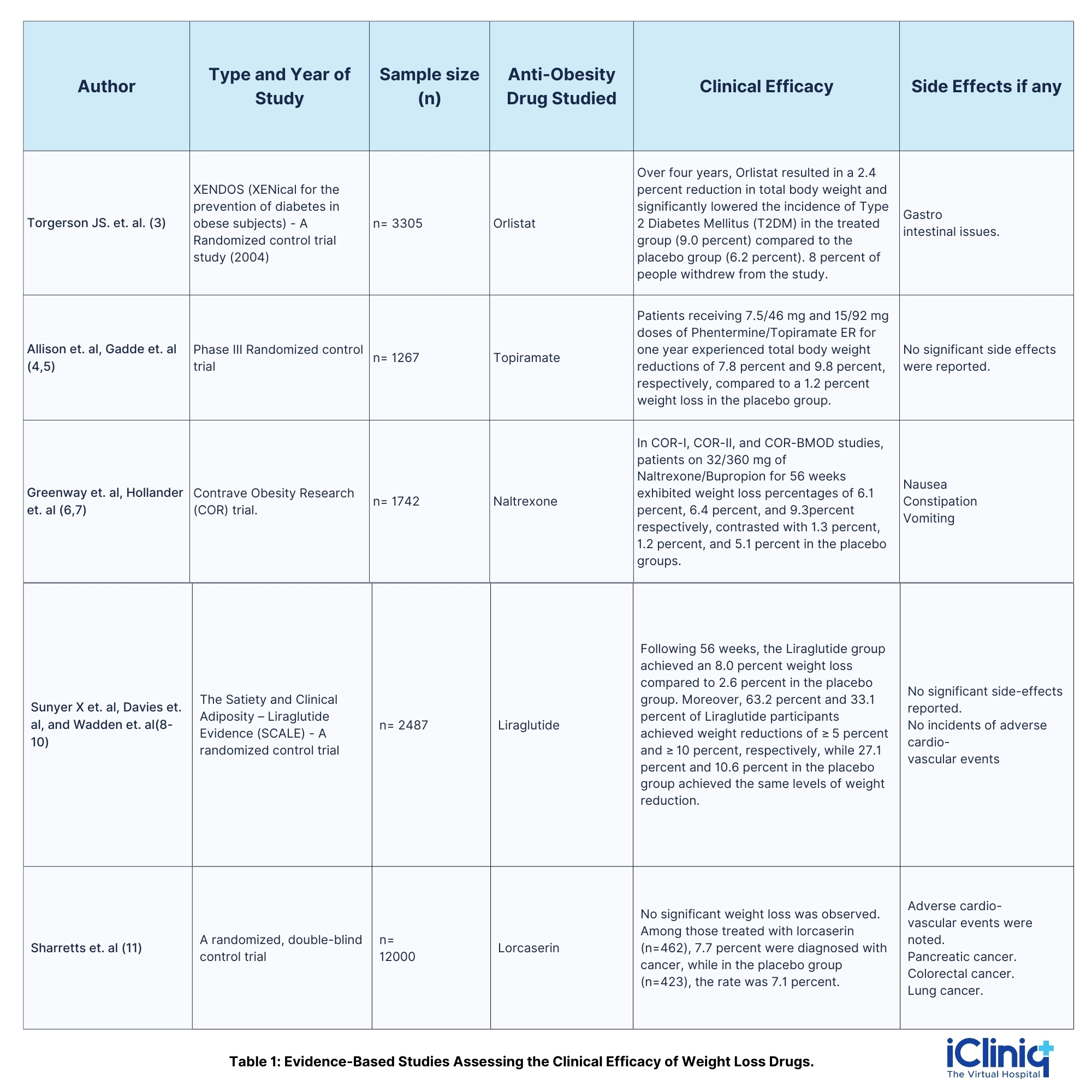
XENDOS; XENical for the prevention of diabetes in obese subjects, COR: Contrave obesity research
Five Promising Weight Loss Drugs: Current Developments and Future Potential
Several newer weight loss medications are currently under development. They aim to address the complex nature of obesity with improved efficacy and safety profiles. These medications represent a promising frontier in the ongoing effort to combat obesity and its associated health risks.
Semaglutide
Semaglutide is a type of long-acting GLP-1 analog that can be taken once a week. On the other hand, Liraglutide is a short-acting GLP-1 analog that must be taken daily. Both Semaglutide and Liraglutide have been recently approved in North America, Europe, and Japan as treatments for T2DM. Semaglutide is quite similar to Liraglutide, and it not only helps to regulate blood sugar like native GLP-1 but also reduces energy intake, increases satiety, and decreases hunger.
Gastric Inhibitory Polypeptide and GLP-1
The hormone GLP-1 is produced by L cells in the lower small intestine and colon, while GIP is produced by K cells in the upper part of the small intestine. On the other hand, glucagon is secreted by α-cells located in the pancreatic islets of Langerhans. GLP-1 helps decrease appetite and reduce energy intake, while GIP does not affect dietary behavior.
Combined GLP-1, Oxyntomodulin, and Peptide YY
Oxyntomodulin (OXM) is a 37-amino-acid naturally occurring peptide released from the oxyntic (fundic) cells of the colon after meals. OXM has a dual role as an agonist for GLP1R (glucagon-like peptide-1 receptor) and GCGR (glucagon receptor), leading to decreased appetite and increased human energy expenditure. The term GOP refers to a solution that contains a mixture of GLP-1, OXM, and peptide YY (PYY).
Sodium-Glucose Co-Transporter-2 Inhibitors
SGLT-2 inhibitors, such as dapagliflozin, empagliflozin, and canagliflozin, are a new class of anti-diabetes drugs that block glucose reabsorption from the renal tubules. This results in glycosuria, which leads to an energy deficit. Previous randomized control trials (RCTs) have reported that these selective SGLT2 inhibitors can effectively reduce body weight in diabetic patients with and without obesity. Typically, patients experienced a reduction of 1 to 3 kilograms in weight.
Leucine-Metformin-Sildenafil Combination
AMP-activated protein kinase (AMPK) and mammalian sirtuin 1 (Sirt1) regulate lipid and energy metabolism. They prevent fat accumulation and promote fatty acid oxidation through reciprocal activation. L-leucine is an allosteric activator of Sirt1, and Metformin is a synergistic coactivator of sirtuin pathway signaling. Nitric oxide (NO) also stimulates Sirt1, which can be enhanced by Sildenafil, a phosphodiesterase type 5 inhibitor.
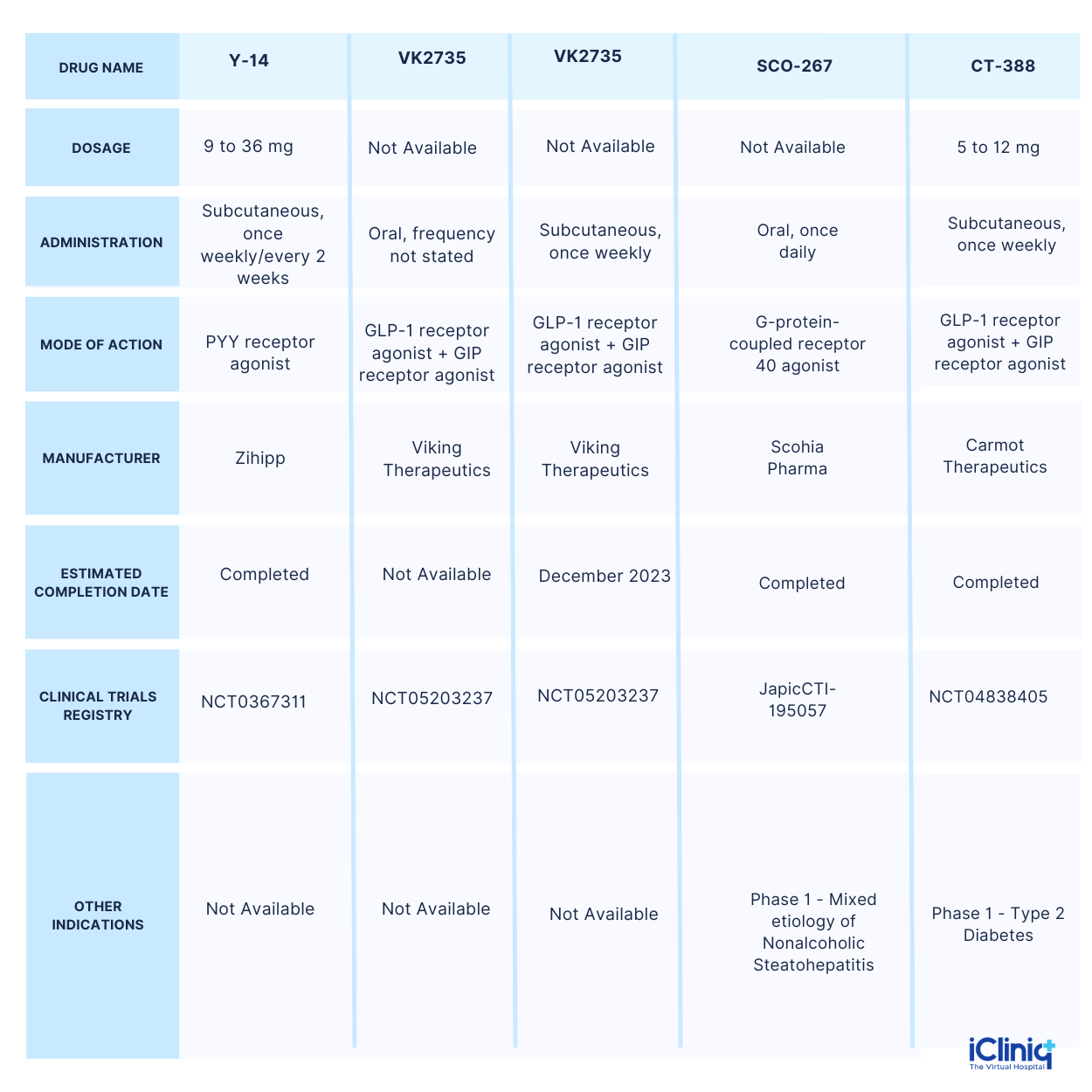
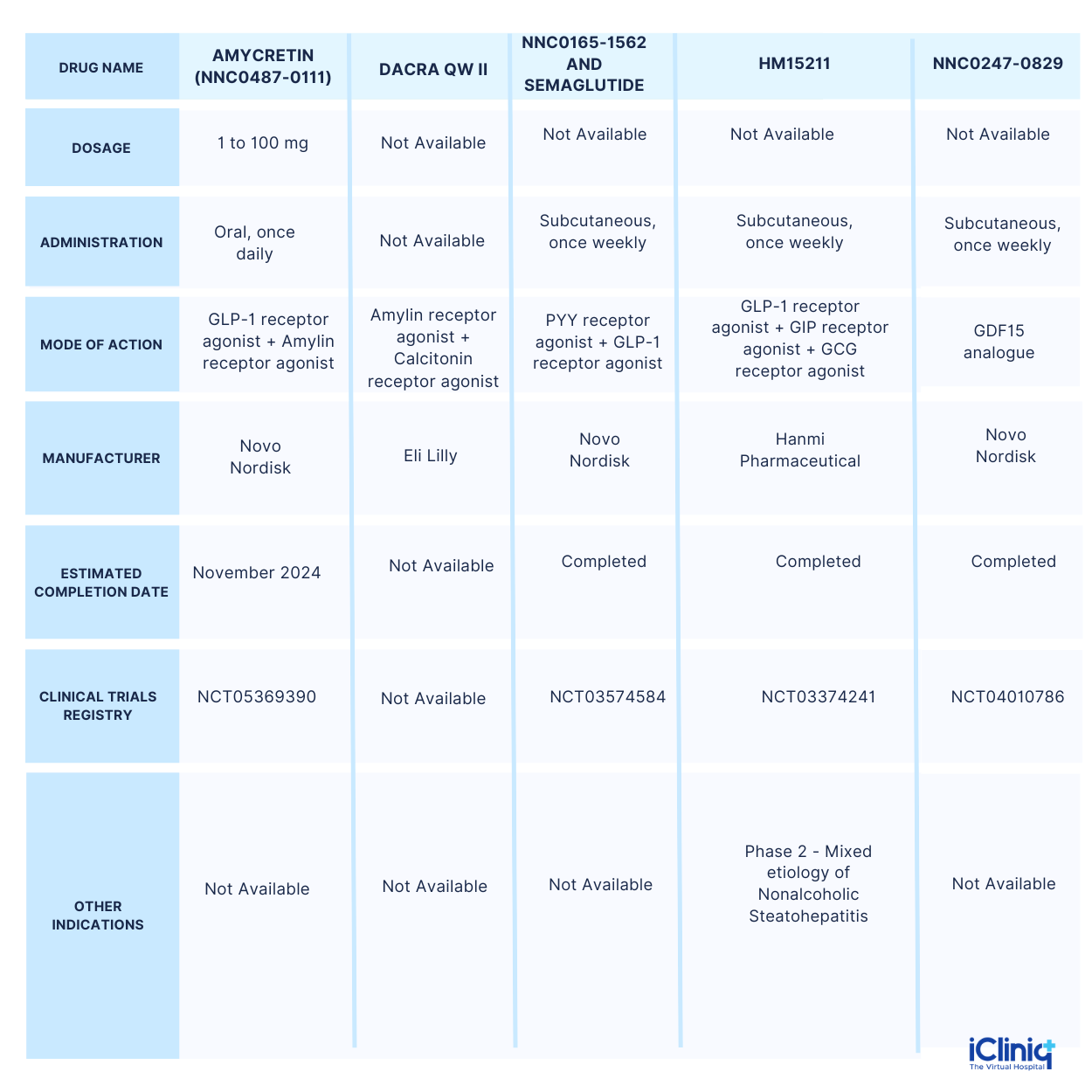
Pipeline for Future Obesity Medications:
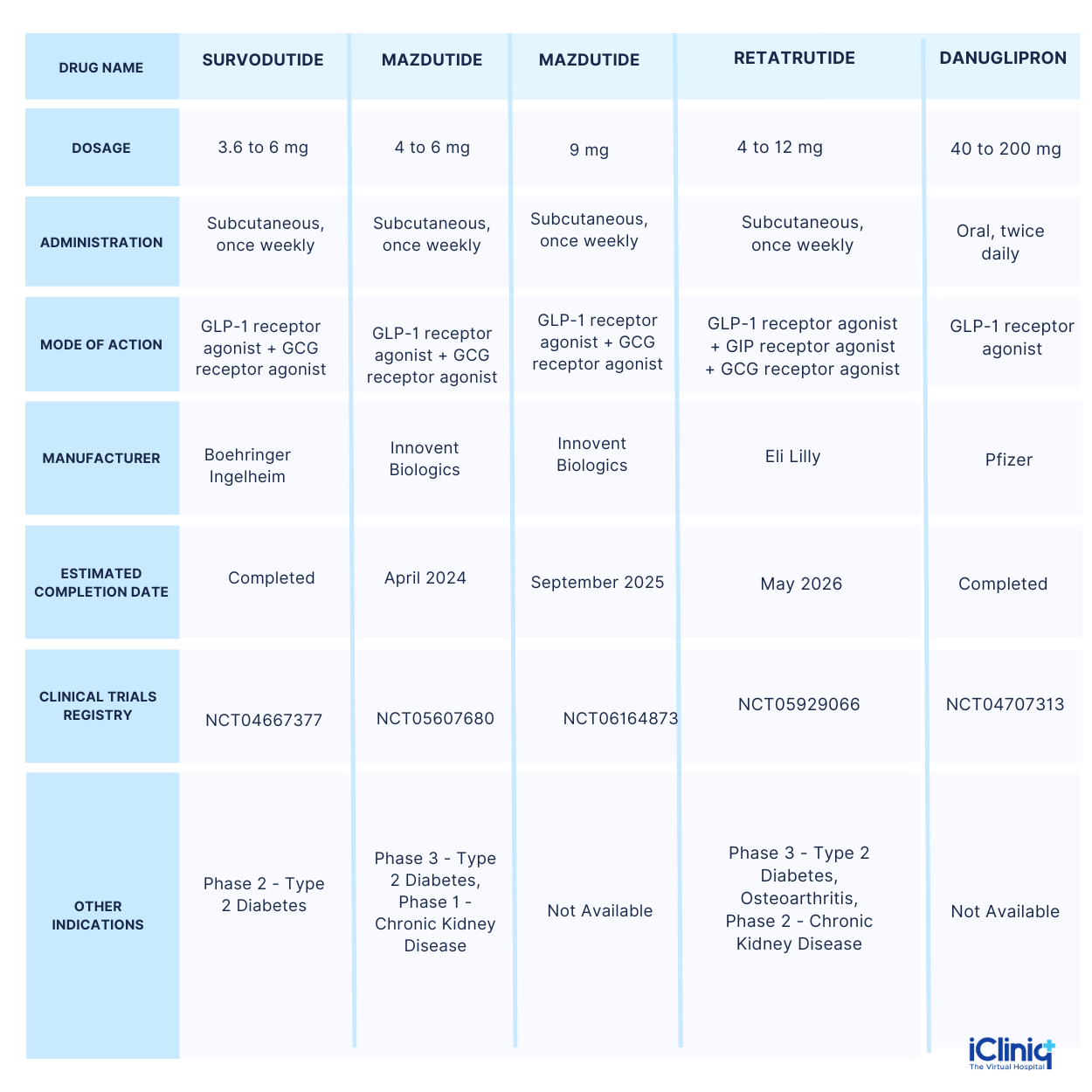
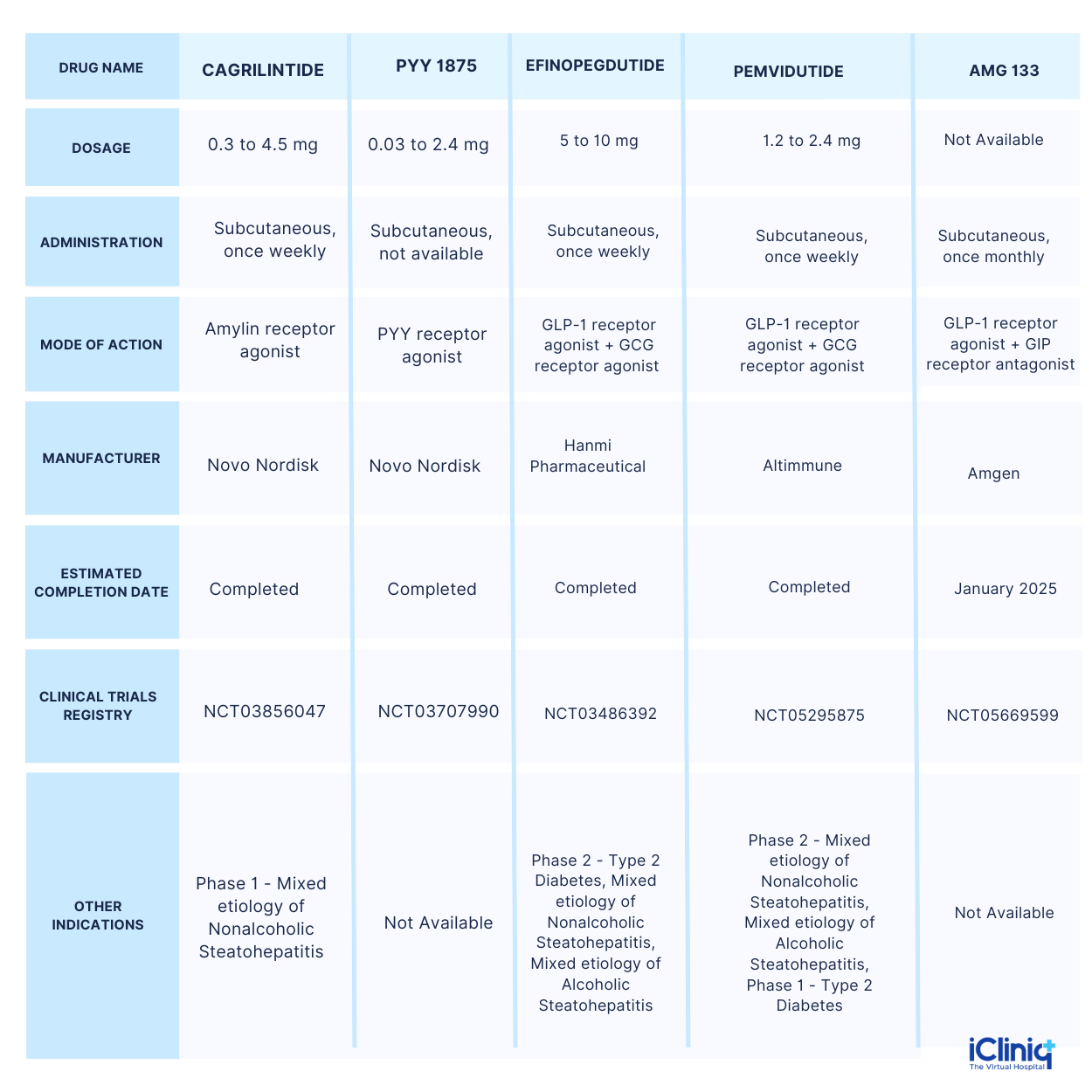
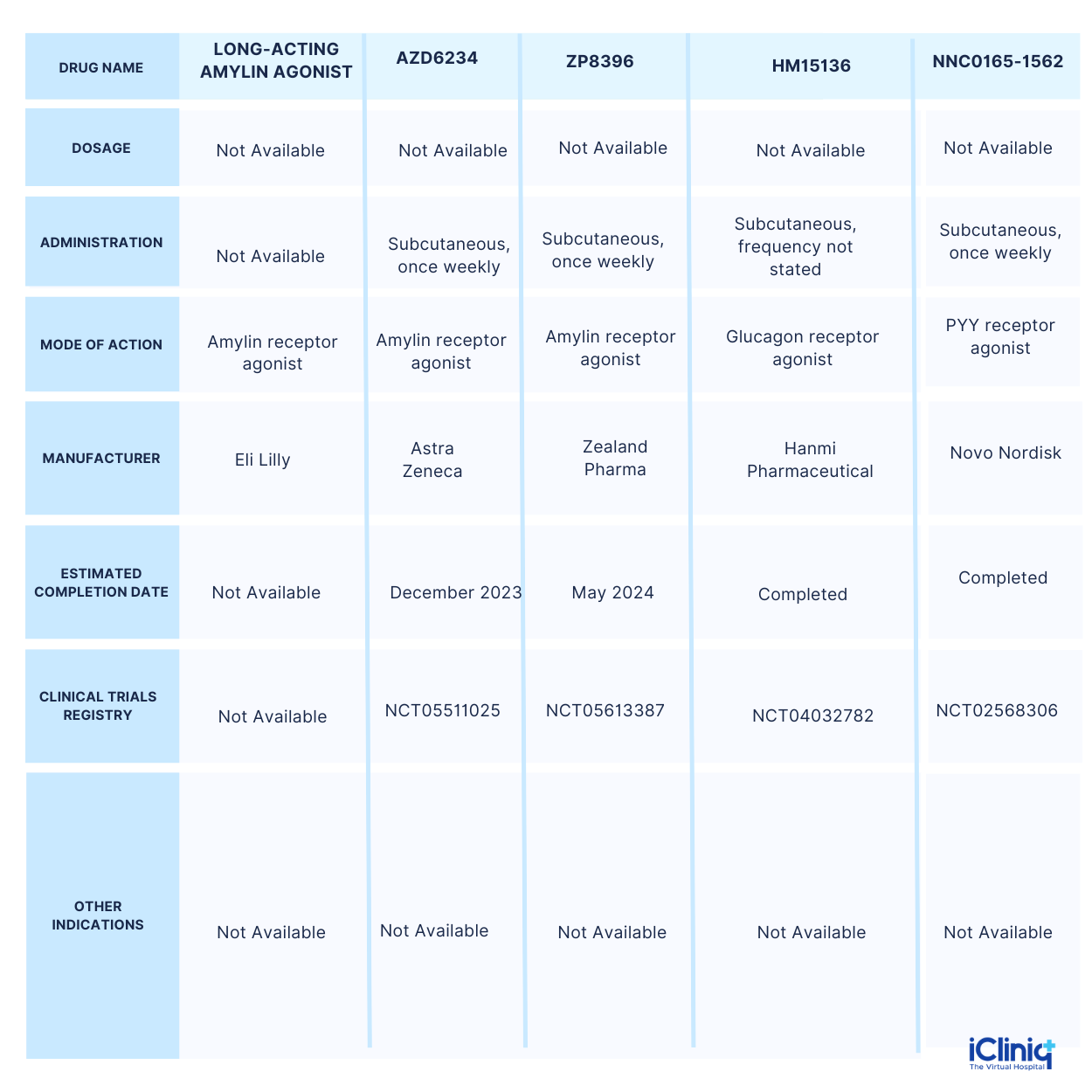
Table 2 presents the pipeline for future weight loss medications
Table 2: Pipeline for Future Weight Loss Drugs


Weight Loss Drugs Versus Placebos in Clinical Trials
According to different published studies and clinical trials on weight loss medications, a few anti-obesity drugs have proven to be more effective in weight loss treatment than placebo among the study participants. However, the range of glycemic control for each drug showed different results. Liraglutide and Semaglutide demonstrate high efficacy in glycemic control. These drugs are potent in managing blood glucose levels. Orlistat and Bupropion exhibit moderate efficacy in glycemic control. Bupropion-Naltrexone, however, does not show any specific indication for glycemic control.
The evidence-based clinical effectiveness of different weight loss drugs compared to placebo is presented in Figure 1 below.
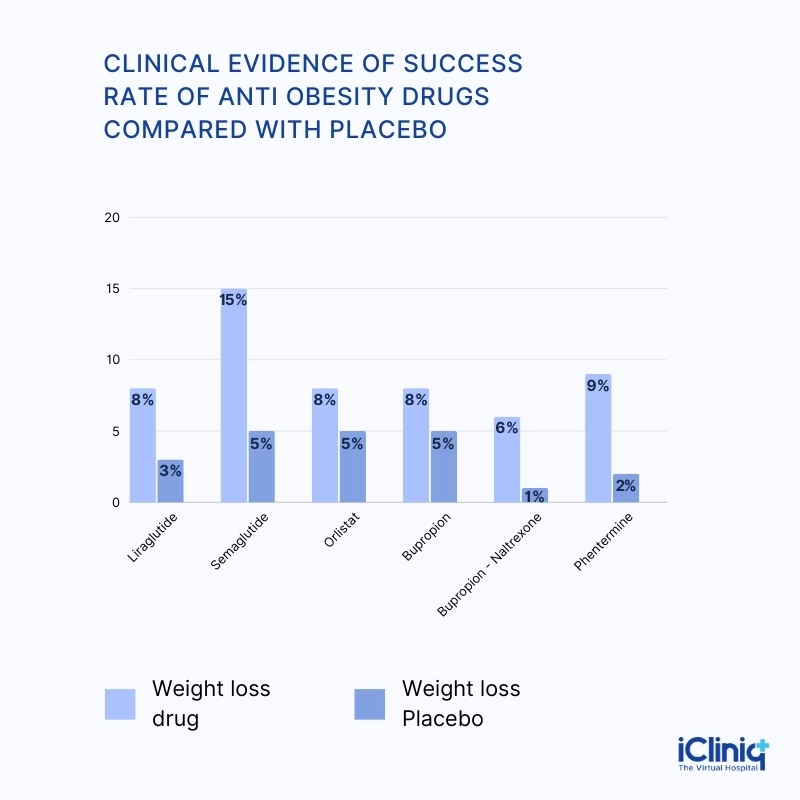
Please note that the weight loss percentage is provided as whole numbers, approximated due to the broad spectrum of weight loss observed within each study.
Statistical Analysis of Weight Loss Drugs
Mean Weight Loss With the Drugs:
-
Mean: 9.33 percent.
-
Median: 8 percent.
-
Mode: 8 percent.
-
Range of Weight Loss With the Drugs: 15 percent (from 6 percent to 15 percent).
Drug Interactions Associated With Weight Loss Drugs
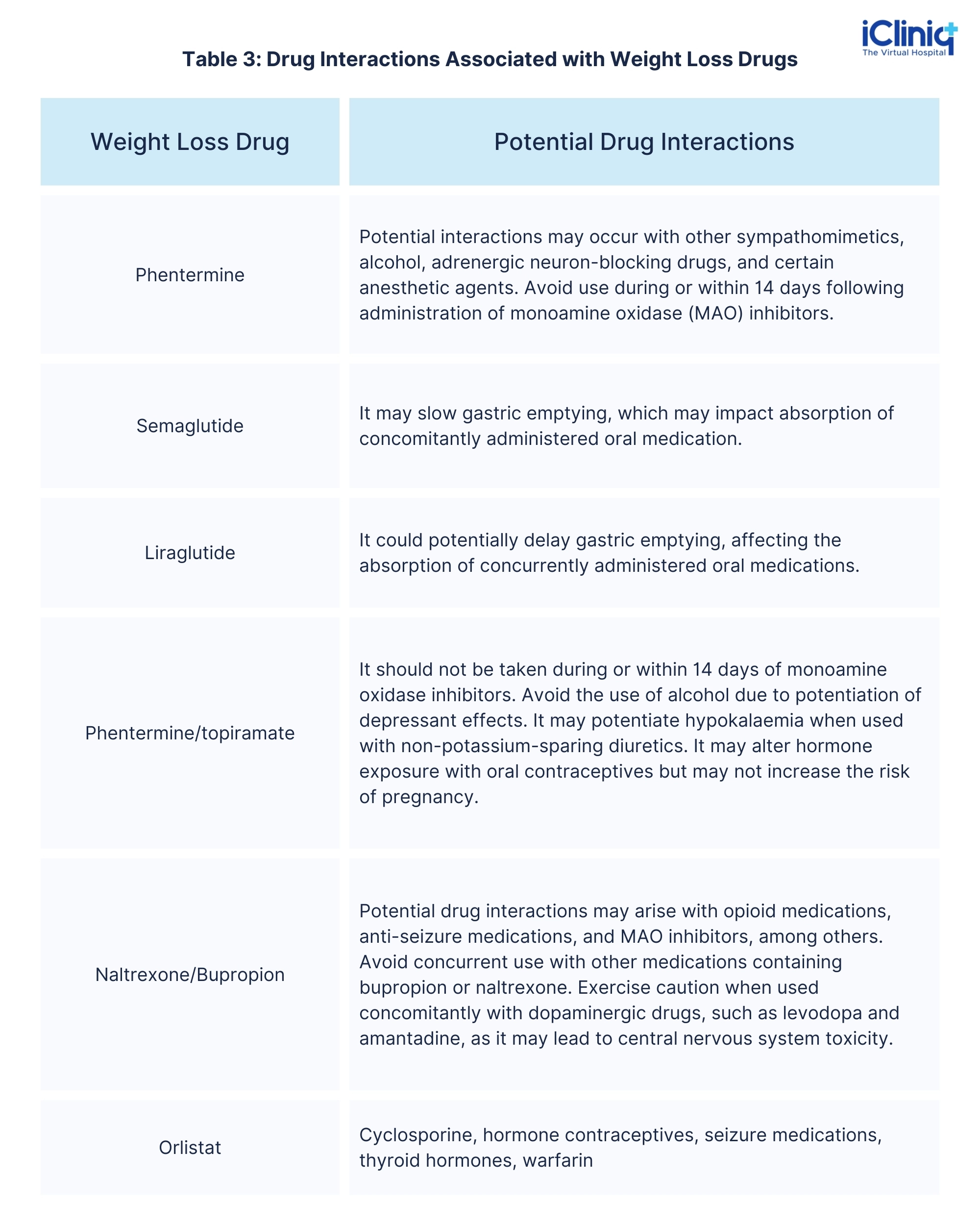
In a few instances, weight loss medications, when given in combination with other drugs (combination therapy) or given alone as a stand-alone therapy, can result in potential drug interactions.
Table 3 elucidates the potential drug interactions associated with different weight loss medications.
Conclusion
The ongoing development and clinical trials of newer anti-obesity medications such as Semaglutide, combined GLP-1 and Oxyntomodulin, SGLT-2 inhibitors, and the Leucine-Metformin-Sildenafil combination highlight significant progress in obesity treatment. These drugs demonstrate promising efficacy in weight management, appetite reduction, and energy expenditure enhancement. As research continues, understanding their long-term safety and effectiveness will be crucial. These advancements represent a hopeful future in the battle against obesity, offering tailored treatment options for improved patient outcomes and better management of associated health risks.