
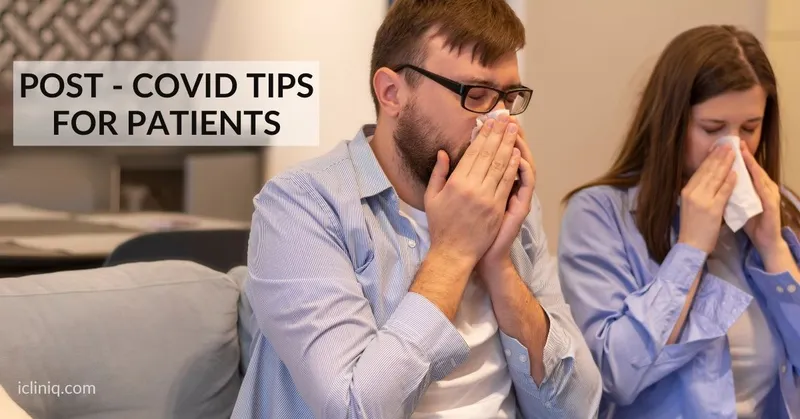
What Is the Importance of Post-COVID Care?
Most individuals after COVID do gain sufficient antibodies, which will prevent the chances of reinfection. However, the evidence on how long the immunity can last is not conclusive. Cases of reinfection have also been documented. Therefore, it is essential not to take post-COVID infection lightly. Wearing masks and maintaining social distancing are some of the ways that can help the patient maintain holistic wellness and boost immunity.
What Are the Post-COVID Tips?
COVID-19 has made people experience fatigue and lose appetite, resulting in bad shape, but the good thing is that one can eat food without restrictions at all times to tackle it. COVID-19 patients have managed to beat immediate fever and breathing difficulties, where the road to recovery is so long, and the patients who recently recovered from COVID-19 require more energy to return to the peak of health, which can be attained by including,
-
Proteins.
-
Vitamins.
-
Minerals.
-
Carbohydrates.
So, post-COVID, one's diet should include foods that boost immunity, as food is the medicine that helps regain stamina and energy. The following are the tips for recovering health post-COVID.
1) Morning Sunlight:
It is essential to get morning sunlight daily. So, wake up early in the morning and stay in the morning sunlight for 30 minutes, which will make one feel,
-
Energetic.
-
Positive.
-
Vibrant.
2) Vitamin D:
Morning sunlight also provides vitamin D along with good absorption of calcium. Also, adequate sunlight helps maintain a balance in vitamin D levels as it helps in improving one’s immunity. But people who do not wake up in the morning can turn up to foods that boost vitamin D to stay healthy, like:
-
Salmon.
-
Egg yolk.
-
Mushrooms.
3) Exercise:
Exercising in the early mornings will make one feel energetic and improve one's mood throughout the day. Start with slow walks, breathing exercises, and meditation. It makes the body flexible physically and mentally, and no intense workouts are necessary. A breathing workout is good for improving the oxygen levels at home, and do pranayamas daily like:
-
Anuloma-Viloma.
-
Bhramari.
-
Kapalbhati.
-
Bhastrika.
4) Take Plenty of Fluids:
When suffering from fever and infections, the body loses a lot of fluid, and it is necessary to cover up the lost excess fluid. It is important to take at least 8 to 10 glasses of water and plenty of fluids every day by including the following in the diet-
-
Soups.
-
Broths.
-
Herbal sauna teas.
-
Lemon water.
5) Skipping a Weight Loss Diet Chart:
A weight-loss diet plan will include a low-calorie diet to lose weight, but after the COVID-19 infection, more calories are required to fight against the infection. In order to have a faster recovery, more calories are needed, which means more energy to fight against the infection. So, include calorie-dense foods with healthy carbohydrates and include,
-
Whole grains.
-
Potatoes.
-
Bread.
-
Pasta.
-
Rice.
-
Milk.
-
Avocados.
-
Jaggery.
-
Roasted chickpea.
6) Energy Gaining Foods:
It is important to take a healthy and balanced diet to gain energy and stay active. A balanced diet includes the following,
-
Carbohydrates.
-
Proteins.
-
Fats.
-
Antioxidants.
Recently, the smoothie bowl has been found to be great for health and is an excellent way to build strength and gain energy post-COVID. For a smoothie bowl, grind,
-
The soaked black raisins.
-
Two dates.
-
Handful of rice puffs or oats.
-
Cumin seeds.
-
Pinch of pink salt.
Blend this paste with water and serve it with pumpkin seeds and sunflower seeds.
7) Take Adequate Protein:
A protein-rich diet helps to repair damaged tissues of the lungs. Taking adequate protein will help to regain the muscle loss that occurred during COVID-19 infection and boost the immune system. The overall intake of protein should be 2.14 to 2.86 ounces per day, so take protein-rich foods like,
-
Pulses.
-
Legumes.
-
Peanuts.
-
Milk.
-
Yogurt.
-
Cheese.
-
Soya beans.
-
Eggs.
-
Fish.
-
Chicken.
8) Herbs:
In order to regain health quickly, do not eat any and every herb available, believing that it will add health benefits. It is important to keep in mind that not all herbs are meant for everyone, and it is best to ask the doctor what suits one because medications used for COVID-19 cause digestion and congestion issues, leading to digestion difficulties. So, do not take more than the recommended amount of herbs as too much of the following herbs may cause gastric issues and can increase the body's heat, leading to more hair loss, mouth sores, and throat pain; they are,
-
Herbal decoction.
-
Holy basil.
-
Black peppercorn.
Instead, make sure one keeps themself hydrated well with,
-
Kokum drink.
-
Fresh drinks.
-
Lemon water.
-
Vetiver infused water.
Also, drinking herbal tea and moringa soup (two to three times a week) at home helps to improve immunity.
9) Take Adequate Fruits:
Take two servings of fruits a day and include fruits that improve digestion and increase hydration; they are,
-
Orange.
-
Sweet lime.
-
Apple.
-
Guava.
-
Kiwi.
-
Papaya.
10) Improve Gut Health:
A healthy stomach is needed for recovery, so to boost gut health,
-
Boil 0.26 gallons of water.
-
Add one teaspoon of cumin and coriander seeds.
-
Add one-fourth teaspoon of ginger powder.
Strain it and take half a cup of this every day to have a healthy stomach. Also, have cumin-coriander-fennel (CCF) tea one hour post meals twice a day.
11) Foods for Recovery:
The foods that are known to help with recovery are,
-
Finger Millet - Good source of calcium and phosphorus.
-
Sesame - Good source of magnesium, calcium, and zinc.
-
Almonds, Spinach, and Cumin Seeds - Excellent sources of protein and zinc.
Always have light and easily digestible foods like lentil soups and rice gruel, and avoid excessive sugar, fried, and processed foods. Every morning, it is essential to have overnight soaked,
-
Dates.
-
A handful of raisins.
-
Two almonds.
-
Two walnuts
12) Plan the Meals:
COVID-19 makes the body to be drained, so one needs to plan a proper meal, such as,
-
Calorie-dense meals.
-
Immunity-building foods.
-
Plenty of fluids.
For lunch, include wholesome foods like,
-
Two to three vegetables.
-
Bowl of lentils with single-grain flatbread.
-
Bowl of liquefied spiced buttermilk.
For dinner, include a diet that is easy to digest. Eating dinner close to sunset is recommended as the body goes into healing mode by itself. The foods that are easy to digest are,
-
Green gram gruel.
-
Rice gruel.
For snacks, replace unhealthy packaged food items with,
-
Fresh seasonal fruits.
-
Roasted chickpea with jaggery.
-
One teaspoon of clarified butter.
At bedtime, have turmeric milk as it relaxes and leads to good sleep.
13) Quit Smoking:
As the lungs are already damaged after COVID-19, it is essential to avoid smoking to prevent any kind of stress or infections due to smoking.
Conclusion
Post-COVID patients need to limit their COVID-19 information to avoid anxiety and should follow a good nutritious diet to get back to their daily routines. They should limit their usage of gadgets and should get adequate sleep early every night, because the better one sleeps, the quicker they heal. Also, follow all the safety COVID precautions like wearing masks whenever one goes out, maintaining social distancing, and frequently washing hands to beat this pandemic
