HomeAnswersEndocrinologydiabetes during pregnancy

Can type 2 diabetes cause miscarriage or birth defects?

This Premium Q&A, reviewed and published, features a real conversation between an iCliniq user and a physician.

Patient's Query

Hello doctor,

I was recently diagnosed with type 2 diabetes, and now I have just found out I am pregnant. I am in my early 30s, and this is my first pregnancy, so I am feeling overwhelmed and anxious. I have come across a lot of scary information about high blood sugar causing complications, birth defects, or even miscarriage. Since this pregnancy was not planned, I was not managing my diabetes as well as I should have before getting pregnant. Now that I know, I want to do everything right for my baby, but I am not sure where to start. I am currently taking Metformin, but I do not know if it is safe to continue during pregnancy.

  1. Can having type 2 diabetes increase the risk of miscarriage or birth defects?
  2. What steps should I take now to protect my baby and have a healthy pregnancy?

Please help.

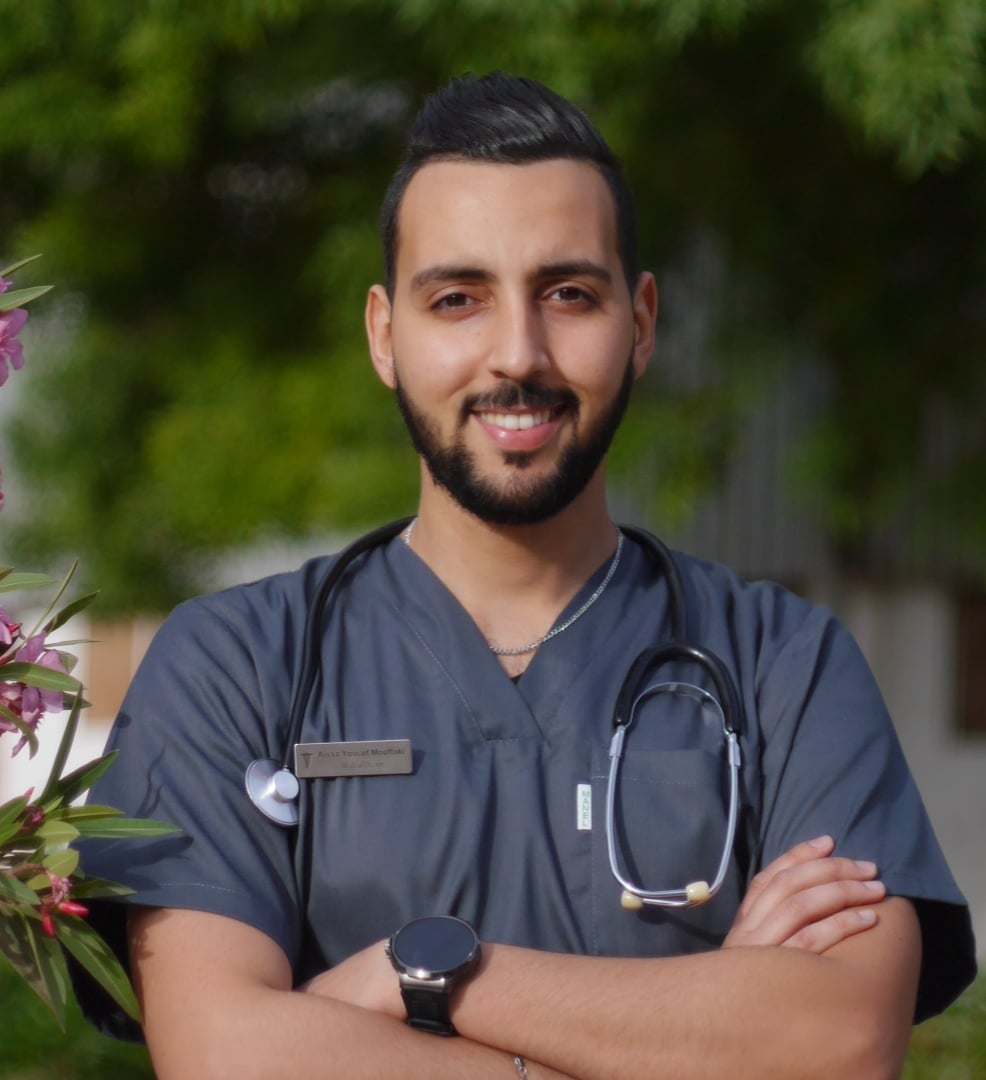
Answered by Dr. Aissa Youcef Mouffoki

Education:

Doctorate of Medicine

Professional Bio:

As a general practitioner deeply committed to holistic and accessible healthcare, I believe in treating patients as whole individuals—physically, mentally, and socially. My medical philosophy centers on prevention, patient education, and active listening, aiming to build trust and long-term well-being. I advocate for a more human, innovative approach to medicine, and regularly share insights with my community to empower and educate. I am fluent in Arabic, French, and English, which allows me to connect with and support a diverse patient population across cultures and regions.

This doctor is not available for online consultations on the platform anymore.

Hi,

Welcome to icliniq.com.

I read your query and can understand your concern.

Type 2 diabetes can increase the risk of complications during pregnancy, especially if blood sugar levels were not well controlled before conception. But the good news is that with prompt and consistent management, these risks can be greatly reduced.

Poor blood sugar control in early pregnancy can raise the chances of certain complications, including:

  1. Birth defects, especially those involving the brain, spine, or heart.
  2. Miscarriage in the first trimester.
  3. Excessive fetal growth (macrosomia) can make delivery more difficult.
  4. Preterm labor or pregnancy-related high blood pressure (preeclampsia).

It is completely understandable to feel overwhelmed, especially with an unplanned pregnancy. But now that you know you are expecting and want to take the right steps, you are already moving in a positive direction.

Here is what you should focus on now:

  1. See your gynecologist and endocrinologist as soon as possible. You will need a care plan that is tailored to both your pregnancy and diabetes.
  2. Start closely monitoring your blood sugar. Most pregnant women with diabetes monitor their blood sugar levels several times a day.
  3. Adjust your diet and activity. A pregnancy-friendly diabetic meal plan and light physical activity, like walking, can help keep your glucose in a safe range.

Medication review: Metformin is often considered safe during pregnancy, but your doctor may recommend switching to or adding insulin, which allows for more precise control and is commonly used in pregnancy.

With close medical support and careful monitoring, many women with type 2 diabetes have smooth pregnancies and healthy babies. Do not hesitate to ask questions and lean on your care team; you are not in this alone.

I hope this helps.

Kindly revert so I can assist you further.

Medically reviewed by iCliniq medical review team
Published At August 14, 2025
Reviewed At August 21, 2025

Education:

Doctorate of Medicine

Professional Bio:

As a general practitioner deeply committed to holistic and accessible healthcare, I believe in treating patients as whole individuals—physically, mentally, and socially. My medical philosophy centers on prevention, patient education, and active listening, aiming to build trust and long-term well-being. I advocate for a more human, innovative approach to medicine, and regularly share insights with my community to empower and educate. I am fluent in Arabic, French, and English, which allows me to connect with and support a diverse patient population across cultures and regions.

This doctor is not available for online consultations on the platform anymore.

Same symptoms don't mean you have the same problem. Consult a doctor now!

Education:

Doctorate of Medicine

Professional Bio:

As a general practitioner deeply committed to holistic and accessible healthcare, I believe in treating patients as whole individuals—physically, mentally, and socially. My medical philosophy centers on prevention, patient education, and active listening, aiming to build trust and long-term well-being. I advocate for a more human, innovative approach to medicine, and regularly share insights with my community to empower and educate. I am fluent in Arabic, French, and English, which allows me to connect with and support a diverse patient population across cultures and regions.

This doctor is not available for online consultations on the platform anymore.

Listen to related tracks in our music library
Comprehensive Second Opinion

Read answers about:

birth defectstype 2 diabetes mellitusdiabetes during pregnancy

Ask your health query to a doctor online

*guaranteed answer within 4 hours

Disclaimer: No content published on this website is intended to be a substitute for professional medical diagnosis, advice or treatment by a trained physician. Seek advice from your physician or other qualified healthcare providers with questions you may have regarding your symptoms and medical condition for a complete medical diagnosis. Do not delay or disregard seeking professional medical advice because of something you have read on this website. Read our Editorial Process to know how we create content for health articles and queries.
