
Patient's Query
Hello doctor,
My cousin, 31 years old, female, was just diagnosed with Hodgkin lymphoma after swollen neck nodes and a biopsy. We are all shaken. She is scared about losing hair from chemo and whether she can still have children after treatment.
Is fertility usually preserved in young women?
Should she consider egg freezing now?
Please help.
Thank you.
Hello,
Welcome to icliniq.com.
I have read your query and understand that your cousin is feeling frightened right now.
A diagnosis of Hodgkin lymphoma is overwhelming at first, but it is also one of the most treatable and often curable cancers, especially in young adults. Many patients go on to live full, healthy lives after treatment.
Regarding hair loss, most of the standard chemotherapy regimens used for Hodgkin lymphoma do cause temporary hair loss, but it is almost always reversible. Hair typically begins to grow back a few weeks after treatment ends, and in many cases, it returns with normal texture and thickness over time.
Fertility is a very important question and one that should be addressed before treatment starts. The impact on fertility depends on the specific chemotherapy regimen, the total dose, and whether radiation to the pelvic area is needed. The most commonly used regimen for Hodgkin lymphoma (such as ABVD, consisting of Adriamycin (Doxorubicin), Bleomycin, Vinblastine, and Dacarbazine) carries a relatively low risk of permanent infertility in young women, and many patients can conceive naturally after treatment.
However, some more intensive regimens do carry a higher risk of ovarian damage. Because we cannot always predict individual sensitivity, it is strongly recommended that a woman who wishes to have children in the future meet with a fertility specialist as soon as possible before chemotherapy begins. Egg or embryo freezing can often be done quickly and does not usually delay cancer treatment significantly.
In some cases, medications that temporarily suppress ovarian function during chemotherapy may also be used as an additional protective measure, although they are not a substitute for fertility preservation.
The key point is that fertility preservation is very feasible in young women with Hodgkin lymphoma, but it must be planned before treatment starts. With modern therapy, the chances of a cure are high, and many survivors go on to have healthy pregnancies.
Encouraging your cousin to speak with her oncology team and a reproductive specialist right away will give her the most options and the greatest peace of mind.
So while this is a difficult moment, there are effective treatments, hair loss is temporary, and fertility can often be preserved with timely planning.
I hope it helped.
Please let me know if I can assist you further.
Thank you.
Was this conversation helpful?
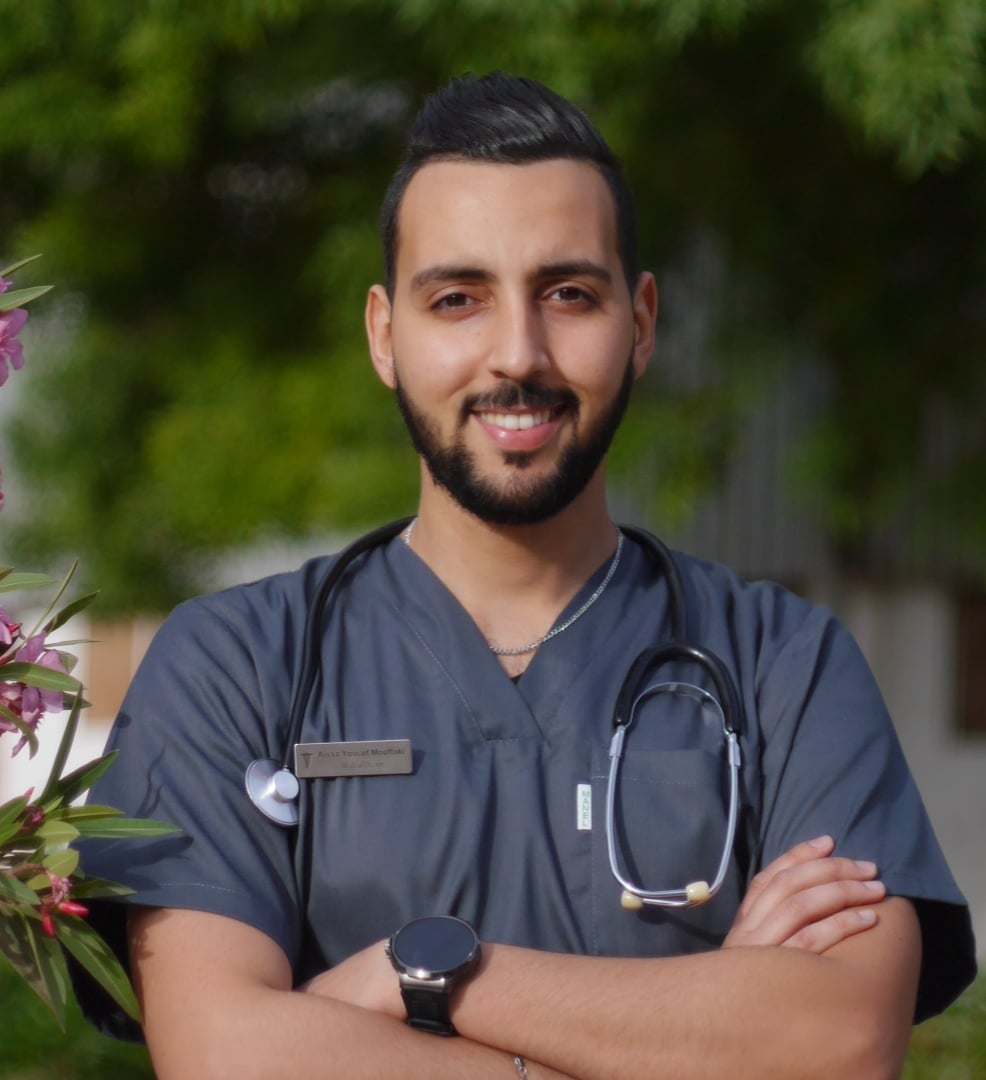
Answered byDr. Aissa Youcef Mouffoki
Medically reviewed byiCliniq medical review team
Same symptoms don't mean you have the same problem. Consult a doctor now!
Related Questions
Chemotherapy for Testicular Cancer - An Overview
Pediatric Fertility Preservation Program Development - An Overview
Is Hodgkin's lymphoma a serious cancer?
Chemotherapy and Blood Cancer
Is Hodgkin's lymphoma curable with chemotherapy in women?
Is fertility preservation possible for teen girls with TNBC?
Disclaimer: No content published on this website is intended to be a substitute for professional medical diagnosis, advice or treatment by a trained physician. Seek advice from your physician or other qualified healthcare providers with questions you may have regarding your symptoms and medical condition for a complete medical diagnosis. Do not delay or disregard seeking professional medical advice because of something you have read on this website. Read our Editorial Process to know how we create content for health articles and queries.