
Patient's Query
Hi doctor,
I am a 29-year-old female diagnosed with chronic urticaria for the past two years, with daily itchy, red, raised welts that last a few hours before fading, only to reappear elsewhere. Along with this, I have autoimmune hypothyroidism, diagnosed last year, for which I am taking Levothyroxine 50 mcg daily.
My latest thyroid profile showed a TSH of 7.2 mIU/L and a free T4 of 0.74 ng/dL. The hives worsen in the evenings and after mild triggers such as heat, stress, or certain foods, even though my allergy panel was negative. I also experience occasional swelling of my lips and eyelids during flares. My vitamin D level is 18 ng/mL, and I have noticed increased fatigue and mild weight gain of about 6.6 pounds over the last four months.
Antihistamines reduce the itching but do not fully prevent new hives from appearing. My skin feels extremely sensitive, and scratching leaves red streaks for hours. These flare-ups are affecting my sleep and my concentration at work. I am concerned about whether my poorly controlled thyroid could be linked to my persistent urticaria, and whether treating both conditions together would lead to better symptom control and fewer flare-ups.
Please help.
Hi,
Welcome to icliniq.com.
I understand your concern.
As I see, you have an autoimmune disorder, so you are right that this can be related to an autoimmune thyroid condition. For your symptoms, particularly chronic urticaria, you need to consult a dermatologist. This condition can be triggered by environmental factors, dietary triggers, sun exposure, and dermographic responses. Because of this, a visit to a skin specialist is important, and I am referring you to both the dermatology and endocrinology departments for proper evaluation and treatment.
Your fatigue and weight gain are associated with hypothyroidism, and your vitamin D level is slightly decreased. Possible causes of your symptoms include thyroid disorders, allergic reactions, and triggers such as food, sunlight, heat, and dust.
You also have a history of IBD (inflammatory bowel disease), so paying attention to your diet is essential. You should undergo investigations such as anti-thyroid antibodies, a thyroid ultrasound to check for enlargement or nodules, and routine blood tests including CBC (complete blood count), LFT (liver function test), and RFT (renal function test), especially since your TSH (thyroid-stimulating hormone) is raised and your free T4 (thyroxine) is slightly low.
Your symptoms may be due to allergic dermatitis, Hashimoto’s thyroiditis, or another autoimmune or allergic condition. The likely diagnoses are chronic urticaria and autoimmune hypothyroidism (Hashimoto’s disease).
For now, continue your thyroid medication, tablet Levothyroxine 50 mcg once daily, as advised by your endocrinologist. Please inform me if you are taking any other medications, since you have a history of IBS, PCOS (polycystic ovarian syndrome), and anxiety.
At this stage, I can prescribe only symptomatic treatment, such as antihistamines. You may take a 5 mg tablet of Levocetirizine at bedtime for 10 days, or a combination of Montelukast and Levocetirizine at night. If the symptoms become severe, you may require intravenous (IV) treatment in the emergency room, such as an injection of Hydrocortisone 100 mg IV stat for relief. You can also apply Calamine lotion twice daily for soothing effects.
Please follow up after one week with your test reports. Considering your medical history, you should consult endocrinology, dermatology, and psychiatry for comprehensive management. Take care and get well soon.
Avoid sun exposure, direct heat, spicy foods, and nuts, as these may trigger your symptoms further.
I hope this has helped you.
Please feel free to reach out to me again for further queries.
Thank you.
Was this conversation helpful?
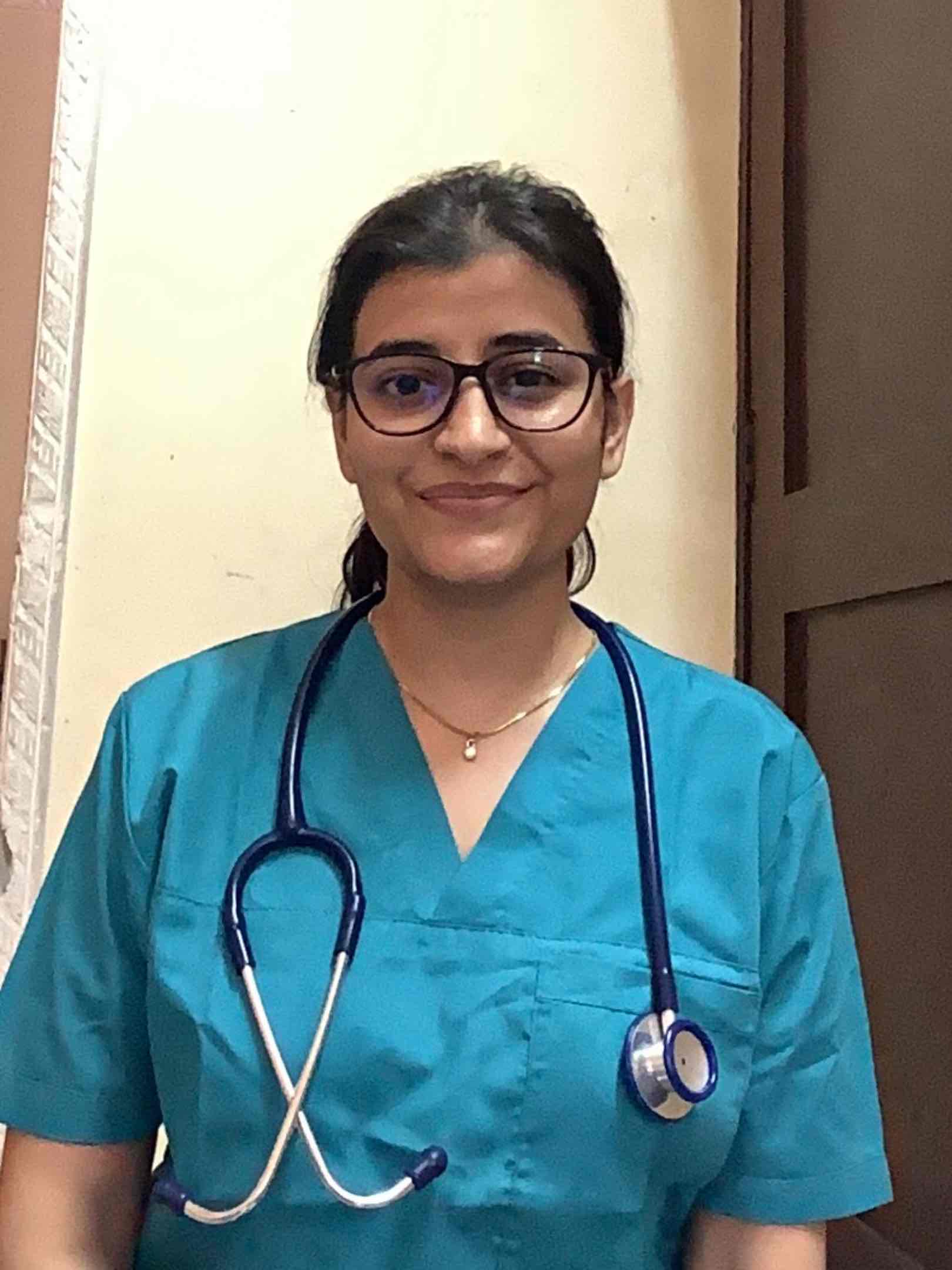
Answered byDr. Navneet Kaur
Medically reviewed byiCliniq medical review team
Same symptoms don't mean you have the same problem. Consult a doctor now!
Disclaimer: No content published on this website is intended to be a substitute for professional medical diagnosis, advice or treatment by a trained physician. Seek advice from your physician or other qualified healthcare providers with questions you may have regarding your symptoms and medical condition for a complete medical diagnosis. Do not delay or disregard seeking professional medical advice because of something you have read on this website. Read our Editorial Process to know how we create content for health articles and queries.