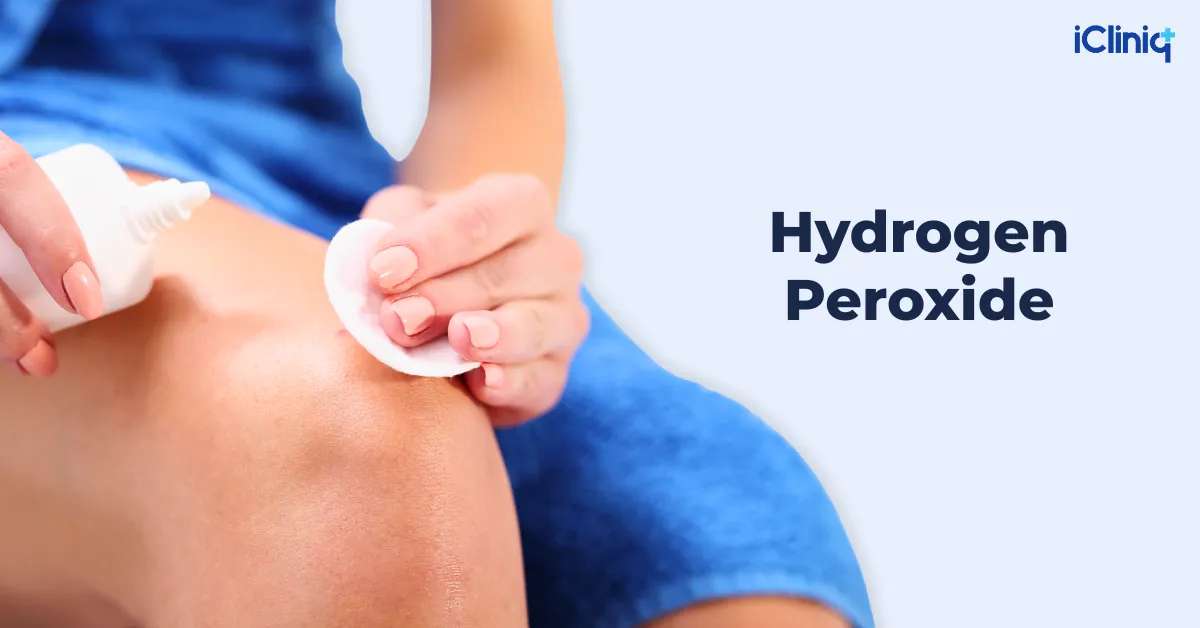
What Is Hydrogen Peroxide?
Hydrogen peroxide is a clear liquid that resembles water, but it contains an extra oxygen molecule. This extra oxygen is what causes it to bubble and helps in cleaning when it comes into contact with skin or surfaces. People commonly use the 3% hydrogen peroxide (meant for commercial uses). This is the regular version, which is used to whiten teeth, clean minor cuts, and disinfect surfaces.
There’s also food-grade hydrogen peroxide, which is approximately 35%. It is extremely strong and can cause burns to the skin or mouth. It’s commonly used to sterilize food packaging, clean fruits and vegetables, bleach certain foods, and as a general disinfectant.
A common question people ask is, "Does hydrogen peroxide expire?" Yes, once the bottle is opened, it slowly loses its strength, especially if it sits in sunlight or heat or is left unsealed.
How Does Hydrogen Peroxide Work?
Hydrogen peroxide starts fizzing as soon as it comes into contact with germs, dirt, or skin. Those tiny bubbles are the oxygen being released.
This bubbling action helps:
-
Kill many bacteria, fungi, and some viruses.
-
Lift dirt out of minor wounds.
-
Loosen earwax.
-
Break down mold.
-
Lighten stains and whiten teeth.
Does hydrogen peroxide kill germs? The answer to it is definitely yes, as it destroys the outer layer of germs.
What Are the Common Uses of Hydrogen Peroxide?
Hydrogen peroxide has many everyday uses around the home:
1. Cleaning minor wounds: It can help rinse out dirt from cuts and scrapes. The bubbles show it’s working.
2. Hydrogen peroxide in the ear: A few drops can help loosen built-up earwax. It bubbles inside the ear as it softens the wax. But it should not be used too often or if the ear is infected or painful.
3. Hydrogen peroxide mouthwash: When 1 part of hydrogen peroxide is mixed with two parts of water, it can be used as a mild mouthwash. It helps reduce germs and can brighten teeth. Never swallow it.
4. Teeth whitening: Many people wonder, “Does hydrogen peroxide whiten teeth?” Yes, it does by removing both the external and internal stains. It acts through a chemical oxidation process.
5. Killing Mold: “Does hydrogen peroxide kill mold?” The answer is yes. Spray and let it sit for 10 minutes on bathroom tiles or damp walls. Scrub and wipe the area to remove mold.
6. Cleaning surfaces: It works well on kitchen counters, sinks, and even toys. It kills germs without the strong smell of bleach.
7. Laundry helper: It can lighten stains and brighten whites.

What Are the Potential Benefits?
People like using hydrogen peroxide because it:
-
Kills many types of germs.
-
Helps clean minor wounds.
-
Whitens teeth when used correctly.
-
Removes mold.
-
It is inexpensive and readily available.
If you ever wondered, “What does hydrogen peroxide do?”- this is the short answer: it cleans, brightens, and kills germs.
What Are the Risks and Side Effects?
Although it’s helpful, hydrogen peroxide can cause problems if misused.
1. Skin irritation: Using it too often can cause burning, redness, or dryness.
2. Slower wound healing: Doctors now say it shouldn’t be used every day on wounds, because it may harm new skin cells.
3. Tooth sensitivity: Too much whitening can damage enamel and make teeth sensitive.
4. Stomach problems: Swallowing hydrogen peroxide can cause vomiting or burns inside the throat and stomach.
5. Eye damage: A splash in the eye can cause pain and blurry vision.
6. Ear issues: Using it too often in the ear can dry the skin and cause irritation.
So, if you are wondering, is hydrogen peroxide safe? Yes, when used correctly and in the right amount.
How to Use Hydrogen Peroxide Safely?
-
Stick to the 3% version for home use.
-
Do not use it on wounds every day; clean once, then switch to gentle care.
-
Never mix hydrogen peroxide with vinegar.
-
Many eardrops contain hydrogen peroxide. Use only a few drops in the ear, and do not use it regularly. It should be used under medical recommendation.
-
Keep it out of reach of children.
-
Wear gloves when cleaning mold using hydrogen peroxide.
When Not to Use Hydrogen Peroxide?
Avoid using it if:
-
You have a deep or serious cut.
-
Your skin is easily irritated.
-
You have an ear infection or a hole in the eardrum.
-
You plan to whiten your teeth every day.
-
You want to use food-grade peroxide at home (always use the commercial version, 3 %, at home).
-
You have lung or breathing issues.
-
You need medical-grade sterilization.
-
If you’re unsure, it’s better to ask a doctor first.
How to Store Hydrogen Peroxide?
Hydrogen peroxide breaks down easily, so it needs to be stored carefully:
-
Keep it in the original brown bottle.
-
Store it away from heat and sunlight.
-
Close the cap tightly.
-
Throw it away if it stops bubbling or has expired.
-
And yes, hydrogen peroxide does expire.
Conclusion
Hydrogen peroxide is useful for cleaning, whitening, and disinfecting when used correctly. Stick to the 3% solution and avoid overuse to prevent irritation. Store it safely and never use the stronger food-grade version at home.
Key Takeaways
-
Use only the 3% version at home. It’s good for cleaning wounds, whitening teeth, and killing germs.
-
Never swallow it, and never use the strong food-grade form at home.
-
It can irritate skin and delay healing if used too often.
-
Store it in a cool, dark place and replace it once the bubbling fades.
-
For further information, talk to our doctor.