Table of Contents
Introduction
Adult obesity has almost doubled since 1980, adolescent obesity has quadrupled, and around 2.5 billion people are currently overweight, with nearly 840 million suffering from obesity since 2022, thus emphasizing a critical fact about obesity and the urgent need for weight loss. So, there is a constant emphasis on changing the lifestyle of people that facilitates weight loss, curbs obesity, and promotes a healthy life. Several studies have also highlighted the positive impact of lifestyle modifications on one's health. These changes may include quitting alcohol and smoking, diet modifications, and regular exercising, which can minimize the risk of various health-related issues, such as cardiovascular diseases, hypertension (increased blood pressure), and diabetes (high blood glucose levels).
Importance of Diet and Exercise
The cornerstone of achieving weight loss through lifestyle changes lies in a focused approach to diet and exercise. The term "diet" originates from the Latin word "diaeta," meaning a way of living. Therefore, individuals concentrating on their diet should prioritize a healthy lifestyle rather than merely aiming for weight loss. This can only be achieved through a comprehensive shift to healthy habits.
Prioritizing a balanced diet with adequate physical activity is an excellent lifestyle change. It not only focuses on weight loss but also helps keep one healthy in the long run. This is possible because the synergistic effects of diet and exercise cause physiological changes within the body.
-
When the body receives fewer calories than it needs for maintenance (calorie deficit through diet), it begins to utilize stored fat for energy. This is achieved by a process called lipolysis, where fat deposits are broken down and converted to energy. To facilitate this process, support metabolic functions, and reduce inflammation, a diet rich in vitamins, minerals, and antioxidants is advised. Body mass index (BMI) plays a major role in this context, as it provides a measurable indicator to assess and track one's weight category and overall health risks associated with excess body fat.
-
Exercise complements dietary changes by increasing caloric expenditure and improving metabolic rate. Regular physical activity stimulates muscle growth and maintenance. Exercise also ensures the cells take up glucose for energy, thereby improving insulin sensitivity and curbing the incidence of type 2 diabetes. Exercises, like aerobics or resistance training, also produce endorphins that keep the individual motivated during the weight loss journey.
Best Diet for Weight Loss and Muscle Gain
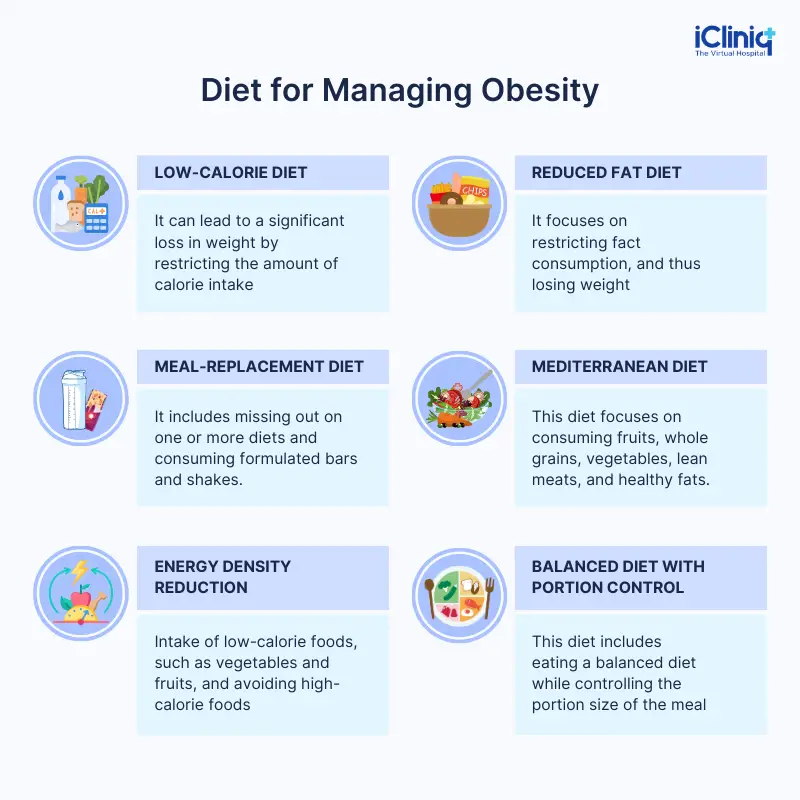
An ideal diet targets both weight loss and muscle gain, as it helps reduce fat while preserving or increasing muscle mass. Effective nutritional management involves creating a diet plate for optimal weight loss and muscle gain should contain complex carbohydrates, high-quality proteins, healthy fats, and high-fiber foods. To ensure the diet is legitimate rather than a fad, it should promote balanced, sustainable eating habits and include all food groups, avoiding extreme restrictions or quick fixes.
-
Complex Carbohydrates - Whole grains, vegetables, and fruits can help provide sustained energy and regulate blood sugar levels.
-
High-Quality Protein - A protein intake of 1.2 to 2.2 grams per kilogram of body weight can support muscle synthesis.
-
Healthy Fats - Healthy fat sources, such as avocado, nuts, and seeds, regulate hormone production and reduce inflammation.
-
Fiber-Rich Foods - This ensures satiety and helps control cravings.
One must also limit the calories they drink and stick to tea, coffee, and water. Also, quit beverages with artificial sweeteners, including diet soda and drinks. Above all, the key to an effective meal plan for weight loss and muscle gain is consistency in eating patterns, meal timing, and the types of foods consumed.
Intermittent Fasting for Weight Loss
Diet regimens like Fast 800 aim to achieve weight loss and promote long-term health. The fast 800 regimen was developed by Dr. Michael Mosley, and the core principles are as follows:
-
The initial phase of the fast 800 involves consuming 800 calories per day. This phase can last from 2 to 12 weeks. This phase of the regime aids in rapid weight loss by promoting the metabolic rate and burning excess fat.
-
Following the initial calorie-restricted phase, the program transitions into an intermittent fasting regimen. The most common approach is the 5:2 diet, where individuals eat normally for five days of the week and restrict their calorie intake to 800 calories on two non-consecutive days. This ensures that a steady range of metabolism is maintained in the body.
-
This kind of diet also encourages the intake of a Mediterranean-style diet (containing vegetables, fruits, lean proteins, and healthy fats). This can help reduce inflammation in the body, improve cardiac health, and reduce cravings.
Exercise Plan for Weight Loss
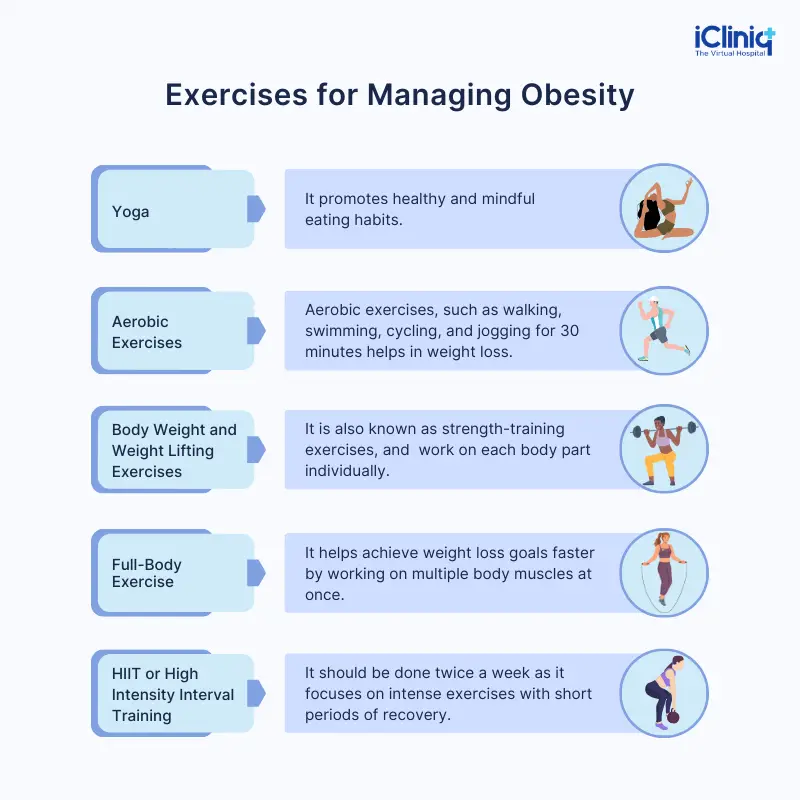
The National Academy of Nutrition and Dietetics, American Academy of Clinical Endocrinologists (AACE), and American Diabetes Association (ADA) recommend exercise as an integral part of weight management programs, along with other dietary changes and modifications. An effective exercise plan for weight loss should include a combination of cardiovascular exercises, strength training, and flexibility exercises.
-
Cardiovascular activities like running, cycling, and swimming increase heart rate and boost calorie burn, aiding in fat loss.
-
Strength training exercises, such as weight lifting and bodyweight exercises, build and maintain muscle mass, which is necessary as muscle tissue burns more calories at rest than fat tissue.
-
Flexibility exercises, like yoga and stretching, enhance muscle recovery and prevent injuries, ensuring consistent workout performance.
One should aim for at least 75 minutes of vigorous-intensity aerobic activity per week or 150 minutes of moderate-intensity aerobic activity.
Other Lifestyle Modifications
It is essential to understand that to achieve optimal health, neither diet nor exercise alone is effective in coping with obesity and the long-term effectiveness of weight loss programs. Thus, lifestyle modifications are necessary, and if one needs to lose weight, one has to design a goal to strike a balance between diet and exercise along with other weight loss strategies one is following, including medication.
-
Sleep Quality: Adequate sleep quality and duration are also necessary, as sleep deprivation is also associated with weight gain. Therefore, improving sleep habits and addressing sleep disorders with a healthcare provider can support weight management.
-
Behavior Modification: This approach uses goal setting, self-monitoring, stimulus control, cognitive restructuring, stress management, problem-solving, and social support to change unhealthy behaviors and develop healthier habits.
-
Stress Management: Stress management involves implementing stress reduction techniques, such as deep breathing exercises, mindfulness, meditation, or engaging in activities that promote relaxation and mental well-being.
Tips for Maintaining Weight Loss for Long-Term
One of the complex tasks is losing weight. However, maintaining weight loss for the long term is even more challenging, as most people often experience relapse after a few years of losing weight. One of the theories behind regaining weight is that most people cut off their calorie intake to lose weight, and over time, this makes their body conditioned to burn fewer calories. Therefore, they start gaining weight after a few months due to a slow calorie-burning rate when they resume their regular diet. Thus, for this reason, healthcare professionals do not recommend rapid weight loss and an extremely low-calorie diet for a weight loss program. It is usually advised to lose around half or two pounds in a week, along with changing other lifestyle habits for the success of the weight loss program and long-term maintenance of healthy weight loss.
A few tips to maintain weight loss include:
-
Staying consistent with eating and exercising plans even after losing weight to prevent relapse.
-
Continue setting goals.
-
Practice intuitive and mindful eating.
-
Try eating clean, natural, and whole foods.
-
Stay hydrated.
-
Have quality sleep of seven to eight hours.
-
Manage stress effectively.
-
Find support for motivation.
Conclusion
Overall, the role of diet and exercise in a weight loss journey is immense. A perfectly balanced diet provides all the essential nutrients needed and creates a caloric deficit necessary for fat reduction. Exercise complements the dietary regimen by aiding in fat-burning and promoting muscle gain. Adopting such a lifestyle change can not only help in creating an environment for weight loss but also support long-term physical and emotional well-being.