
- 1What Is an Alcohol Hangover?
- 2What Causes an Alcohol Hangover?
- 3What Are the Symptoms of an Alcohol Hangover?
- 4Why Do Some People Experience Alcohol Hangovers and Not Others?
- 5Are Women More Prone to Alcohol Hangovers Than Men?
- 6How Severe Can an Alcohol Hangover Get?
- 7How to Manage an Alcohol Hangover?
- 8What Not to Do During a Hangover?
- 9How to Prevent an Alcohol Hangover?
Introduction:
Alcohol is a commonly consumed beverage across the world after coffee and tea. The first evidence of alcohol consumption goes back to 5000 BC. Since then, this beverage has constantly evolved and taken over the world. Although alcoholic drinks are known by their fancy names like beer, wine, tequila, and vodka, their essential ingredients constitute ethanol and water. Apart from ethanol and water, alcoholic beverages contain as many as 1300 ingredients. For some people consuming alcohol is a prestige, while for others, it is an escape from reality. Consuming limited quantities of alcohol does not harm the body, but once the threshold is passed, the body starts reacting. The ethanol in the alcohol causes a set of symptoms. These symptoms are collectively known by the term alcohol hangover.
What Is an Alcohol Hangover?
As a reaction to overconsumption of alcohol, the human body reacts, producing a set of unpleasant signs and symptoms. These symptoms peak when the blood alcohol content is almost zero. Alcohol is metabolized in the liver at the rate of one ounce of liquor in one hour. Beyond this, the beverage is absorbed into the bloodstream and distributed to other body parts. The first organ to be affected is the brain. Depending on the type and quantity of alcohol consumed, the symptoms may vary. The symptoms can last upto 24 hours after a night of heavy drinking.
What Causes an Alcohol Hangover?
Once alcohol enters various parts of the body, the metabolization of ethanol starts. Besides ethanol, congeners and sulfites added to alcoholic beverages to enhance flavor, smell, and preservation can worsen hangover symptoms.
The following responses are triggered in the body:
1. Dehydration - Alcohol consumption causes frequent urination due to the suppression of a hormone called vasopressin (an enzyme that causes kidneys to retain fluid). Frequent urination causes dehydration. This produces various symptoms like thirst and lightheadedness.
2. Inflammatory Response - Alcohol alters the lining of the intestines, thereby affecting the natural habitat of the gut flora. These microbes disperse into the bloodstream, causing an immune response that triggers inflammation.
3. Stomach Irritation - Alcohol affects the stomach by increasing acid production, destroying the mucous cells, and delaying stomach emptying. All these things lead to abdominal discomfort.
4. Expansion of Blood Vessels - At medium to low levels, alcohol acts as a vasodilator (a substance that causes the expansion of blood vessels). This allows more blood to flow into the skin and tissues causing the blood pressure to drop, leading to a number of symptoms.
5. Alteration in the Blood Sugar Levels - Alcohol can cause blood sugar to drop or rise. Initially, blood sugar levels rise. Later, alcohol inhibits the liver from releasing glucose into the bloodstream, which causes a drop in blood sugar levels. A hypoglycemic state can cause symptoms like fatigue and weakness.
6. Disturbing Sleep Pattern - Alcohol profoundly affects the brain’s activity. It inhibits the transmission of chemicals in the brain leading to poor memory, drowsiness, and lethargy.
What Are the Symptoms of an Alcohol Hangover?
1. General Symptoms - Weakness, lethargy, and fatigue are caused due to dehydration and low blood sugar levels. Headaches are caused mainly due to dehydration and dilation of blood vessels.
2. Gastrointestinal -
-
Excessive thirst and dry mouth occur as a result of water loss.
-
Nausea, vomiting, and abdominal pain resulting from gastric irritation and inflammation.
3. Cardiovascular - Includes low blood pressure, increased heartbeat, etc.
4. Nervous System - Effects of alcohol on the brain cause symptoms like disrupted sleep, photosensitivity, inability to concentrate, mood swings, irritability, anxiety, depression, blackouts, etc.
Why Do Some People Experience Alcohol Hangovers and Not Others?
It is common to come across people who claim to be tolerant of high levels of alcohol. Despite consuming large quantities of alcohol, they do not experience unpleasant symptoms. On the other hand, some people tend to have the worst side effects.
According to studies, the following factors may be responsible.
1. Genetics - It plays a major role in determining alcohol tolerance. The capacity of the body to metabolize and break down alcohol differs from person to person.
2. Water Content in the Body - The lack of fluid and electrolytes exaggerates hangovers. A hydrated body can combat the dehydration produced due to alcohol.
3. Quantity of Alcohol - It is evident that people who consume excessive amounts of alcohol experience more severe hangover symptoms than their counterparts.
4. Food in the Stomach - Having an empty stomach while consuming alcohol can have a powerful effect on absorption. Food in the stomach will delay the metabolization and absorption of alcohol into the bloodstream, thereby reducing its side effects.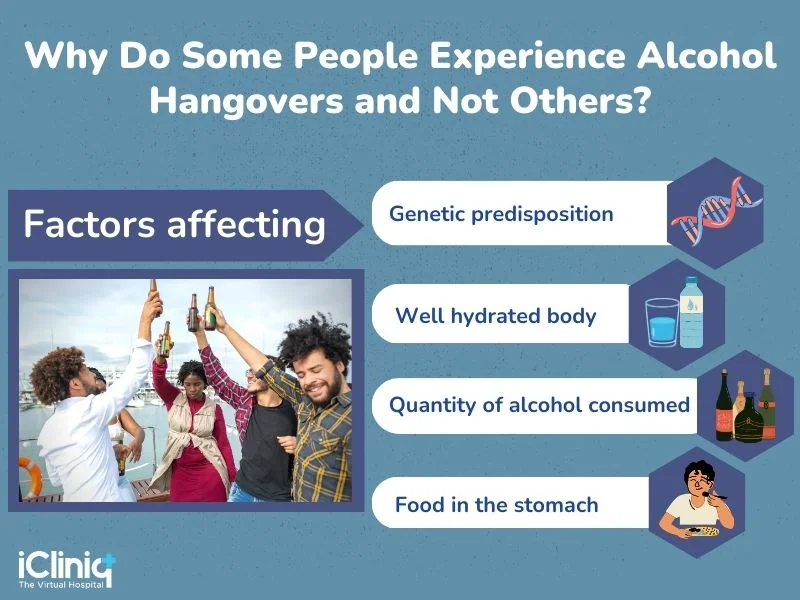
Are Women More Prone to Alcohol Hangovers Than Men?
Yes, women are more prone to alcohol hangovers. The reason is because of different physiologic responses to alcohol in men and women. Men have more capacity to dilute the alcohol because of the higher water content in their bodies. Additionally, the dehydrogenase enzyme (the enzyme that breaks down alcohol in the liver) is present in lesser quantities in women. Hormonal factors in women also contribute to this response.
How Severe Can an Alcohol Hangover Get?
Alcohol hangovers generally disappear after a day or two. But sometimes, the symptoms may become severe. It is a warning sign if the person experiences seizures or convulsions, unconsciousness, difficulty breathing, confusion, severe vomiting, low body temperature (hypothermia), etc. If symptoms persist for a long time, medical help should be sought immediately.
How to Manage an Alcohol Hangover?
There is no specific remedy that can reverse the effects of a hangover. The general management includes:
A. Water - It is the magic potion that can help relieve symptoms. Drinking plenty of water before going to bed and after waking up will hydrate the body.
B. OTC (Over-The-Counter Medications) - Some drugs like Tylenol, and Ibuprofen can relieve symptoms like headaches. It is important to remember that medications like Tylenol (Acetaminophen) interact with alcohol and can be toxic to the liver. It is also not advised to take painkillers the night of alcohol consumption as it can worsen the symptoms.
C. Antacids - It relieves symptoms of abdominal distress.
D. Electrolyte-Rich Drinks - In case of severe dehydration and electrolyte imbalance, drinking electrolyte-rich sports drinks can help restore balance.
E. Eating a Healthy Meal - It is important as alcohol metabolization causes blood sugar levels to drop. Eating carbohydrates, protein, vitamins, and antioxidant-rich foods can be a great help.
What Not to Do During a Hangover?
Drinking beverages like caffeine, having another alcoholic drink the morning after a night of drinking, or taking a shower would be no help.
How to Prevent an Alcohol Hangover?
The best way to prevent an alcohol hangover is to avoid consuming alcohol. Choosing to drink in moderation or occasionally in limited quantities is the only remedy. There are some ways to avoid getting a hangover.
A. Eat food before drinking.
B. Sip water in between drinks.
C. Drink alcohol slowly rather than just gulping it.
D. Stop when it is needed, do not drink beyond the limits.
Conclusion:
Although alcohol is used in medical science for many reasons, its role as a beverage can be questioned. Alcohol addiction is a significant substance abuse concern. It affects the quality of life and also disrupts personal and professional relationships. Consuming alcohol just to fit in or because of peer pressure is unacceptable. When the body is constantly trying to protect its health, it is preposterous to harm it consciously. There is much more to life beyond the alcoholic high and buzz.

